Ensuring the stability of a load on an air cargo pallet is a critical aspect of the air freight industry. As a supplier of air cargo pallets, I understand the importance of this issue and have gained valuable insights through years of experience in the field. In this blog post, I will share some key strategies and best practices to help ensure the stability of loads on air cargo pallets. Air Cargo Pallet

Understanding the Basics of Load Stability
Before diving into the specific strategies, it’s essential to understand the basic principles of load stability on air cargo pallets. The primary goal is to prevent the load from shifting, tipping, or falling during transit. This not only protects the cargo itself but also ensures the safety of the aircraft, crew, and other shipments.
Several factors can affect load stability, including the weight and distribution of the cargo, the type of pallet being used, the securing methods employed, and the environmental conditions during transit. By carefully considering these factors and implementing appropriate measures, we can significantly reduce the risk of load instability.
Selecting the Right Pallet
The first step in ensuring load stability is selecting the right air cargo pallet for the job. There are various types of pallets available, each designed to meet specific requirements and accommodate different types of cargo.
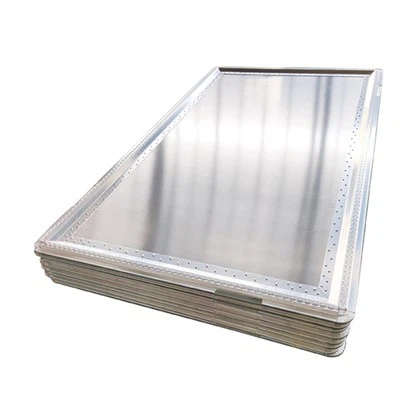
- Standard Pallets: These are the most common type of air cargo pallets and are available in a range of sizes and configurations. They are typically made of aluminum or composite materials and are designed to be lightweight yet strong enough to support heavy loads.
- Specialty Pallets: In some cases, standard pallets may not be suitable for the cargo being shipped. For example, oversized or irregularly shaped items may require custom-built pallets or specialized handling equipment. As a supplier, we offer a variety of specialty pallets to meet these unique requirements.
- Pallet Quality: The quality of the pallet is also crucial for load stability. A damaged or worn-out pallet may not be able to support the weight of the cargo or may cause the load to shift during transit. Before using a pallet, it’s essential to inspect it carefully for any signs of damage, such as cracks, dents, or broken boards.
Proper Cargo Distribution
Once the appropriate pallet has been selected, the next step is to ensure proper cargo distribution. Unevenly distributed loads can cause the pallet to become unstable, increasing the risk of shifting or tipping during transit.
- Center of Gravity: The center of gravity of the load should be as close to the center of the pallet as possible. This helps to balance the weight evenly and reduces the likelihood of the pallet tipping over. When loading the cargo, it’s important to place the heaviest items in the center of the pallet and distribute the lighter items around the edges.
- Stacking Height: The stacking height of the cargo should also be carefully considered. Overloading the pallet by stacking the cargo too high can increase the risk of instability. It’s important to follow the recommended stacking height limits for the specific type of pallet being used and to ensure that the load is properly secured to prevent it from shifting.
- Interlocking and Nesting: If possible, the cargo should be arranged in a way that allows for interlocking or nesting. This helps to prevent the items from shifting during transit and provides additional stability to the load. For example, boxes can be stacked in a way that the corners of one box fit into the recesses of the adjacent box.
Securing the Load
Properly securing the load is one of the most important steps in ensuring its stability on an air cargo pallet. There are several methods and materials that can be used to secure the load, including straps, nets, and shrink wrap.
- Straps: Straps are one of the most commonly used methods for securing loads on air cargo pallets. They are available in a variety of materials, such as polyester, nylon, and steel, and can be used to hold the cargo in place and prevent it from shifting. When using straps, it’s important to ensure that they are properly tightened and that the tension is evenly distributed.
- Nets: Nets are another effective way to secure the load on an air cargo pallet. They are typically made of nylon or polyester and can be used to cover the entire load or to hold individual items in place. Nets are particularly useful for securing irregularly shaped or loose items.
- Shrink Wrap: Shrink wrap is a plastic film that can be used to wrap the entire load on an air cargo pallet. It provides a tight, secure seal that helps to prevent the cargo from shifting and protects it from damage during transit. When using shrink wrap, it’s important to ensure that it is properly applied and that there are no gaps or holes in the film.
Additional Considerations
In addition to the above strategies, there are several other factors that should be considered to ensure the stability of a load on an air cargo pallet.
- Environmental Conditions: The environmental conditions during transit can have a significant impact on load stability. For example, extreme temperatures, humidity, and vibration can cause the cargo to shift or become damaged. It’s important to take these factors into account when selecting the appropriate pallet and securing methods and to ensure that the cargo is properly protected.
- Handling and Loading Procedures: Proper handling and loading procedures are also crucial for load stability. It’s important to ensure that the cargo is loaded and unloaded carefully and that the pallet is not subjected to any sudden shocks or impacts. Additionally, the use of appropriate handling equipment, such as forklifts and pallet jacks, can help to prevent damage to the pallet and the cargo.
- Training and Education: Finally, it’s important to provide training and education to all personnel involved in the handling and transportation of air cargo pallets. This includes warehouse workers, forklift operators, and airline staff. By ensuring that everyone understands the importance of load stability and the proper procedures for handling and securing the cargo, we can significantly reduce the risk of accidents and damage.
Conclusion
Ensuring the stability of a load on an air cargo pallet is a complex process that requires careful planning, attention to detail, and the use of appropriate equipment and techniques. As a supplier of air cargo pallets, I am committed to providing our customers with the highest quality products and services to help them meet these challenges.
Pallet Dolly By following the strategies and best practices outlined in this blog post, you can significantly reduce the risk of load instability and ensure the safe and efficient transportation of your cargo. If you have any questions or would like to learn more about our air cargo pallets and related services, please do not hesitate to contact us. We look forward to working with you to meet your air freight needs.
References
- International Air Transport Association (IATA). (2023). Dangerous Goods Regulations.
- Civil Aviation Authority (CAA). (2023). Cargo and Mail Regulations.
- Air Cargo Handling Association (ACHA). (2023). Best Practices for Air Cargo Handling.
Wuxi Aviation Ground Equipment Co., Ltd.
Wuxi Aviation Ground Equipment Co., Ltd. is well-known as one of the leading air cargo pallet manufacturers and suppliers in China. Please rest assured to buy or wholesale discount air cargo pallet for sale here from our factory. For price consultation, contact us.
Address: No.18 Dingxiang East Road, Hudai Town, Binhu District, Wuxi, Jiangsu, P.R. China
E-mail: sales@wxagecl.com
WebSite: https://www.wxagecl.com/
