Hey there, I’m Jake, and for the last seven years, I’ve run the side of things at [my company], where we build those small air separation units (ASUs) that folks usually write off as “too tiny” for anything beyond a single factory’s nitrogen tank. The question I get more than any other these days? “Can a small ASU actually integrate with other systems?” For years, I’d nod politely and mumble something about how it’s possible if you squint, but lately? I’ve got real, on-the-ground examples that prove this isn’t just some pipe dream. It’s already happening—right now, at breweries, farms, even small-scale electronics manufacturers that are tired of throwing money down the drain. Small Air Separation Unit
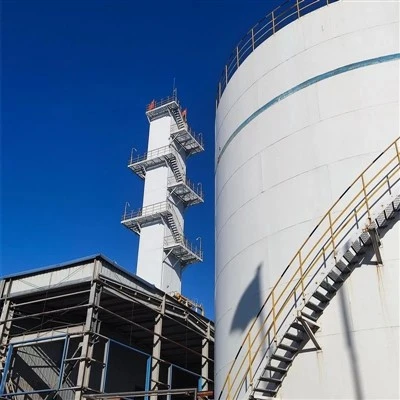
Let’s start with the basics, because I’ve had too many customers show up thinking our ASUs are the same as those massive ones you see at big chemical plants. Those giant ones are the size of a semi truck, need a team of engineers to tweak, and are only worth it if you’re burning through tens of thousands of cubic feet of oxygen or nitrogen a month. Our small ASUs? Think fridge-sized, modular, and pump out 50 to 5,000 cubic feet of pure gas per hour. That’s tiny, but that’s exactly why integrating them works—no massive overhaul of your facility needed, no six-figure upfront cost that makes your finance team hit the brakes.
A few months back, I met up with a craft brewery in Portland that was losing its mind over CO2 costs. You know how brewers use CO2 to carbonate beer, push it out of fermentation tanks, and clean lines? Back then, they were renting CO2 tanks from a local supplier, paying premium prices that spiked every time the supply chain got wobbly—remember that 2022 CO2 shortage? They were stuck waiting weeks for deliveries, and half the time, they had extra gas sitting in tanks that went bad before they used it. I suggested they ditch the rental and pair a small nitrogen ASU with their existing CO2 system. Here’s what we did: we rigged our ASU’s nitrogen output line to tie into their CO2 feed, added a simple pressure regulator (nothing fancy, just an off-the-shelf part we sourced), and programmed it to automatically switch between the two when needed. The nitrogen from our unit is pure enough to push beer lines, so now they don’t have to buy as much CO2—they just top off with the small ASU’s output when their CO2 tank runs low. The brewery owner told me last month they’ve cut their gas costs by 38% and haven’t waited for a CO2 delivery since. That’s integration working, no fancy lab degree required.
Another example? A family-owned farm in Iowa that raises hogs and grows corn. They had two separate problems: they were shelling out for propane to heat their pig barns in winter, and their corn silage was going moldy because the storage bins had too much oxygen. Again, our small ASU fit the bill. We integrated it with their barn’s heating system and their silage bin ventilation. The ASU pulls regular air, splits it into oxygen and nitrogen, and we sent the nitrogen line to the silage bins—mold loves oxygen, so pumping pure nitrogen into the bins cuts spoilage by like 40%, according to the farm manager. The oxygen line? We paired it with their propane furnace to boost combustion. Pure oxygen burns hotter and more efficiently than regular air, so they use 25% less propane now. That’s two separate systems, one small ASU, no extra hassle. I’ve heard from other farmers doing the same with their greenhouse humidity controls too—nitrogen keeps pests away, oxygen helps seedlings grow, and it all ties back to the same unit.
But wait, I know what you’re thinking: “Small ASUs are finicky, right? They can’t handle integrating with complicated systems.” Let’s talk about industrial laundry facilities, which need tons of hot water and use ozone for sanitizing. A mid-sized laundry in Ohio came to us last year because they were wasting so much energy heating water just to kill germs with ozone. We integrated our small oxygen ASU with their ozone generator and their boiler system. The ASU pumps pure oxygen straight to the ozone maker, which is way more efficient than using ambient air (ozone generators need high oxygen levels to work properly). Then, we hooked up the ASU’s waste heat (yeah, small ASUs give off heat, just like your laptop) to preheat the water going into their boiler. They used to heat cold water all the way from 50°F to 200°F; now they’re feeding in water that’s already 120°F, so they use less natural gas. The laundry’s utility manager said their ozone costs are down 50% and their gas bill dropped by $1,200 a month. That’s not just connecting wires—that’s a small ASU pulling double duty with two totally different utility systems.
Now, I won’t lie—this isn’t plug-and-play. You can’t just roll our ASU into your factory, hack a couple hoses, and call it a day. The key to successful integration is matching the ASU’s output to what your system actually needs, and that’s where our team comes in. We don’t just sell a fridge-sized box and dip. We do a free on-site audit: we look at how much gas you use, how your existing systems are set up, even the layout of your facility to make sure we don’t block any loading docks or get in the way of your production line. Last quarter, we adjusted an ASU’s flow rate for an electronics manufacturer that needed pure nitrogen to flush circuit boards—they were wasting gas by over-pressurizing their flush tanks, so we programmed the ASU to match the exact flow rate the tanks needed, cutting their gas waste by 20% and making the integration seamless.
I’ve also seen people worry about reliability. “A small ASU breaking down would mess up my whole operation,” they say. Fair point. That’s why we built our units with redundant parts—so if one sensor glitches, another kicks in. And we offer 24/7 remote monitoring, so we can spot a tiny issue before it becomes a big one, no service call needed. The Iowa farm’s ASU has been running for 18 months now without a single unplanned outage, and the brewery’s unit has been on auto-pilot since we installed it—they barely think about it, because it’s tied into their existing control system.
Let’s get real about scale, too. Some people say “small ASUs are only good for small businesses,” but that’s not true. A medium-sized food processing plant that uses 20,000 cubic feet of nitrogen a month can integrate a small ASU with their existing liquid nitrogen storage tanks to top off supply, instead of buying bulk liquid at inflated prices. We worked with a snack food company in Georgia that does exactly that—they have a big liquid nitrogen tank for freezing snacks, but during peak production months, they use our small ASU to cover the extra demand, so they don’t have to pay premium rush deliveries for liquid nitrogen. That’s integrating a small unit with a system that’s way bigger than the ASU itself.
I think the biggest myth out there is that you need specialized engineering teams to pull this off. We’re a small team, and we don’t have a bunch of PhDs on staff—we have people who used to work in manufacturing, who know what it’s like to be on a floor at 2 a.m. when a machine breaks, and just want things to work. So when we integrate an ASU, we use parts that are common, easy to fix, no proprietary junk that makes you stuck if you need a replacement. We send step-by-step guides, and if you get stuck on the initial setup, we do a Zoom call with you, no extra charge, to walk through it.
If you’re sitting here thinking, “Hey, that’s interesting, but would this work for my business?” let’s be honest: if you’re using more than 1,000 cubic feet of oxygen or nitrogen a month, or if you’re paying for gas that’s being wasted, integration is worth a look. We’ve worked with everything from craft bakeries that use nitrogen to keep baked goods fresh on delivery, to small hospitals that use oxygen ASUs to supplement their central oxygen lines, to data centers that use nitrogen to prevent server fires (we tied a unit to their fire suppression system last year, and it’s been running smooth).
At the end of the day, this isn’t some new, revolutionary technology. ASUs have been around for a century, right? The big ones have been integrated into all sorts of systems for decades. The difference is that small ASUs now are efficient enough, modular enough, and affordable enough that a 10-person craft brewery or a 50-head hog farm can do it too. I used to get excited about a sale that meant a big factory would buy a $500k ASU. Now, I get way more excited about a small business saving $10k a year by integrating a $15k ASU into their existing stuff. That’s the kind of win that matters.

If you’re tired of paying too much for gas, or dealing with supply chain headaches, or wasting energy on your utility systems, don’t write off a small ASU as too tiny to matter. Reach out, tell me what your business does, what systems you’re already using, and we can walk through how to make it work for you. No sales pitch, no jargon, just real talk about how we’ve helped other guys in the same spot save money and stop dealing with garbage supply chains. Let’s figure it out together.
Small Air Separation Unit References:
- Air Liquide Global. (2023). Modular Small-Scale Air Separation Units: Technical Feasibility for Distributed Integration. Industrial Gases Quarterly.
- USDA Agricultural Research Service. (2022). On-Farm Nitrogen Generation for Silage Preservation and Energy Efficiency. Journal of Sustainable Agriculture.
- Brewers Association. (2023). Craft Beverage Cost Optimization: Gas Integration for Small Breweries. Craft Operations Report.
- International Energy Agency. (2022). Small-Scale Industrial Heat Recovery: Opportunities for Modular Unit Integration. Energy Efficiency Industrial Program.
- Semiconductor Equipment and Materials International. (2023). Nitrogen Purification for Small-Scale Electronics Manufacturing: System Compatibility Notes. Manufacturing Technology Journal.
Xinxiang Jiale Intelligent Equipment Co., Ltd.
As one of the most professional small air separation unit manufacturers and suppliers in China, we’re featured by quality products and good service. Please rest assured to buy durable small air separation unit for sale here from our factory. We also accept customized orders.
Address: No.3913, 9th Floor, Unit 3, East Commercial and Office Complex, Baolong City Plaza, Hongqi District, Xinxiang City, Henan Province, China
E-mail: cc2397410@gmail.com
WebSite: https://www.jiale-asu.com/
