Hey there, if you’ve ever ordered bulk liquids—think food-grade oils, chemicals, or even garden fertilizers—you’ve probably seen those stackable, plastic-and-metal IBC tanks just sitting around after use. I get it, when my customers first reach out to me, they’re full of questions, and one of the most common ones I hear is: “Can IBC tanks even be reused?” IBC Tank
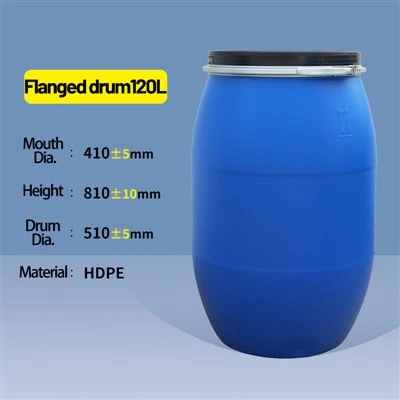
As someone who’s been in the IBC tank supply game for 8 years now, I’ve fielded this question so many times, I could answer it in my sleep. But here’s the thing—It’s not a straight yes or no. A lot of people think once an IBC’s been emptied, it’s just trash, or (the other extreme) that you can turn any used tank around and use it for literally anything. Neither is true, and that’s what I want to break down for you today. First, let’s get super real about what an IBC tank actually is, because knowing its parts is key to figuring out if it’s reusable. IBC stands for Intermediate Bulk Container, right? The standard ones we sell are a rigid plastic inner container (usually HDPE, high-density polyethylene, that’s the clear, tough plastic you can see through when it’s empty), a galvanized steel frame that keeps it stable for stacking and forklift lifting, and a pressure-tested top valve. That design is built to last—new IBCs already have a long lifespan, but the inner plastic is the real workhorse for reuse, as long as it’s not messed up.
So, first step: if you’re even thinking about reusing an IBC, you gotta start with a pre-inspection. I can’t stress this enough—skip this, and you’re gonna end up with a tank that leaks, contaminates your new product, or even gets you in safety trouble. Let’s walk through what I check every time a used tank comes back to our warehouse, so you know what to look for too. First, the outer frame. We need that steel frame to be dented only in the “safe” spots—like the corners, not the sides where it wraps around the plastic. If a frame’s bent so bad that the metal is poking through the plastic or the welds are cracked, that’s a hard no. No exceptions. Then, the plastic inner tank. This is the most critical part. Look for cracks, punctures, deep scratches, or even little stress marks from being dropped too many times. HDPE is tough, but if it’s got a crack that’s big enough to see light through (or even a tiny hairline crack that’s been there a while), liquid will seep out, especially if you’re pumping it under pressure. Also, check the valve. The top ball valve needs to turn smoothly, no stripped threads, no cracks in the plastic or metal part. A bad valve is a leak waiting to happen, so if that’s off, either replace it (we sell replacement valves, by the way) or scrap the tank. Another thing: stacking pins. Those little metal tabs that lock the top of one IBC to the bottom of another? If those are bent or missing, the frame’s not stable, so the whole stack can topple over. That’s a safety hazard for sure, so those have to be in good shape too.
Okay, so you passed the pre-inspection. Now, the next big question: what was it used for before? That’s way more important than you think. HDPE is super resistant to chemicals, but it’s not a magic material. If a tank was used to hold something toxic, flammable, or corrosive that ate into the plastic, or that left a residue that’s impossible to get rid of, you can’t use it for a food-grade or pharmaceutical product. Let’s be specific here. I’ve had customers come to me with used IBCs that held motor oil, pesticides, harsh industrial solvents—those can’t be sanitized enough for anything that goes into food, medicine, or even agricultural products that touch crops. But if the tank was used for things like water, edible oils, cleaning solutions, non-toxic fertilizers, or even certain mild chemicals that don’t leave a permanent residue? That’s when reuse makes total sense, and it’s not only safe—it’s actually way more sustainable than buying a brand new tank every time. Now, let’s talk about the cleaning process, because that’s non-negotiable too. You can’t just hose out a used tank and call it clean, especially if it’s going to be used for a new product. The right cleaning steps depend on what it held before, but here’s the standard we recommend for any IBC that’s getting reused for food or safe chemicals. First, empty it completely (drain every last drop—even a little leftover can mess up a new batch). Then, do a pre-rinse with cold water to get rid of most of the big residue. Next, use a food-grade detergent or a mild chemical cleaner that’s compatible with HDPE—no harsh bleach or anything that’ll etch the plastic. Scrub the inside walls (some people use soft brushes, or even recirculate the cleaning solution with a pump to get into all the nooks) and let it soak for at least 30 minutes. Then, rinse it again with hot water, and do a final rinse with clean, filtered water to get rid of any soap residue. Finally, leave it upside down to dry completely—any moisture left inside can lead to mold or bacteria growth, which is a huge problem for food products. For industrial-use tanks that aren’t food-grade, you can adjust the cleaning a bit, but even then, residue checks are a must. We always do a visual inspection and sometimes a swab test to make sure there’s no leftover gunk before we’ll certify a tank for reuse.
Wait, but what about regulatory stuff? That’s another thing a lot of customers don’t think about, especially if they’re in the food or medical industries. In the US, the FDA has strict guidelines for IBC tanks that come into contact with food products. You can’t just reuse a tank that held non-food stuff and use it for milk or cooking oil—you have to make sure the residue is gone, and some industries even require third-party testing to confirm. For chemical or industrial use, OSHA has guidelines too about leak prevention and tank integrity, so a reused tank has to meet the same safety standards as a new one for that application. That’s why, when we sell reused IBCs, we don’t just flip a switch and sell them—we certify them, document their previous use (as long as it’s safe), and provide all the cleaning and inspection records our customers need for their compliance audits.
Now, let’s get into the pros and cons of reusing IBC tanks, because it’s not for every business. The biggest pro by far is cost. A new food-grade IBC can run anywhere from $150 to $300, depending on size, while a good, properly inspected and cleaned reused IBC is usually 50-70% less. If you’re a small business or a mid-sized distributor moving a lot of bulk liquids, that adds up fast. Then there’s the sustainability angle—let’s be real, plastic waste is a huge problem. Reusing an IBC that could’ve been scrapped keeps that plastic out of landfills for way longer, and reduces the demand for new plastic production. That’s a big selling point for a lot of our eco-conscious customers, and honestly, it makes sense—why waste a perfectly good container when you can reuse it? But there are cons, too. The first is liability. If you buy a used IBC that wasn’t properly cleaned or inspected, and it leaks or contaminates your product, that’s on you. We’ve had a customer in the past who bought a cheap, uncertified used tank for water, and it turned out the previous use left a tiny residue of a cleaning chemical, so their product was ruined and they had to recall a whole shipment. That’s why working with a reputable supplier is non-negotiable. Another con is availability. Brand new IBCs are easy to get, especially for standard sizes (most are 275 gallons, that’s the standard we carry). But good, certified reused IBCs are only available if there’s a supply of them—so if you need a huge order at the last minute, a new tank might be the only option. Also, depending on the tank’s previous use, some applications just aren’t possible. If you need a tank for a flammable chemical that requires a specific pressure rating, a reused tank might not have the certification you need, so a new one is the better call there.
Wait, let’s address some common myths I hear all the time, because that’s probably the stuff you’re wondering too. Myth 1: “Reused IBCs are always dirty or unsafe.” No, that’s not true—if they’re inspected, cleaned, and certified properly, they’re just as safe as new ones for compatible uses. The problem is with uncertified, random used tanks people find online for cheap. Myth 2: “You can reuse an IBC forever.” No, HDPE does degrade over time, even with proper care. The average lifespan of an IBC, reused or not, is about 10 years, but most certified reused tanks we sell are only a few years old, so they’ve got plenty of life left. Once the plastic starts to get brittle (you can test that by squeezing it gently—if it cracks easily, it’s done), it’s time to retire it. Myth 3: “All IBCs are the same.” Nope! There are different grades of HDPE, different frame strengths, different valve types. A chemical-grade IBC isn’t the same as a food-grade one, so you can’t just swap uses without checking. That’s why our team tags every single tank with its intended use, previous use, and inspection status—no guesswork.
Let me give you a real example of how this works for one of our customers, a craft brewery that’s been with us for 3 years. They needed to transport bulk malt syrup and hop extracts, and they were going through 15+ new food-grade IBCs a month, which was eating into their budget. They came to us, and we set them up with certified reused food-grade IBCs, all of which had previous use for edible oils and water, so they passed all FDA guidelines. We cleaned them to food-grade standards, inspected every frame and valve, and even added a food-grade valve upgrade for free. Now, they’re spending about 60% less on IBCs each month, and they haven’t had a single leak or contamination issue. That’s the win-win right there—saving money, being sustainable, and not sacrificing safety.
Now, what about if you’re on the other side, and you have used IBCs you want to sell or get rid of? That’s a whole other conversation, but the same rules apply: if you want to reuse them, you have to inspect, clean, and certify them, or they’re just scrap metal and plastic. We actually do buy back used IBCs from customers who are upgrading or don’t need them anymore, as long as they pass our pre-inspection, and we recondition them to sell as certified reused tanks. That closes the loop, so to speak.
At the end of the day, here’s my take: Reusing IBC tanks isn’t just possible—it’s a smart, sustainable choice for a lot of businesses, as long as you do it right. You can’t skip the inspection, you can’t skip the proper cleaning, and you can’t use a tank for a product it wasn’t designed or certified for. If you’re working with a reputable supplier, all those boxes get checked, and you get a tank that’s just as reliable as new, at a fraction of the cost. But if you cut corners—buying uninspected tanks, using the wrong one for the job—you’re asking for trouble.
If you’re looking to save money on bulk liquid containers, or you’re curious about what used IBCs would work for your operation, my team and I are here to help. We can walk you through the inspection process, explain what tanks are compatible with your products, and give you a custom quote for new or certified reused IBCs. No pressure, no confusing jargon, just straight answers to whatever questions you have. So hit us up, let’s figure out the best IBC solution for your business.
Adapter References
- U.S. Food and Drug Administration. (2022). Guidance for Industry: Use of Reusable Plastic Containers for Food and Beverage Products.
- Occupational Safety and Health Administration. (2021). Safety Guidelines for Intermediate Bulk Containers (IBCs) in Industrial Operations.
- National Sanitation Foundation. (2020). Standard 2: Food Equipment Materials, Requirements for Reusable Liquid Containers.
- Plastic Industry Association. (2019). Lifespan and Reuse Guidelines for High-Density Polyethylene (HDPE) Industrial Containers.
Jiangsu Xinhuasheng Packaging New Materials Co., Ltd.
Jiangsu Xinhuasheng Packaging New Materials Co., Ltd. is one of the most professional ibc tank manufacturers and suppliers in China, featured by quality products and low price. Please rest assured to wholesale durable ibc tank in stock here and get quotation from our factory. Customized orders are welcome.
Address: No. 5 Tieta Road, Industrial Park, Guyang Town, Dantu District, Zhenjiang City, Jiangsu Province, China.
E-mail: manager@jsxhsgs.com
WebSite: https://www.xhsibc.com/
