How to transport Standard Expanded Metal?
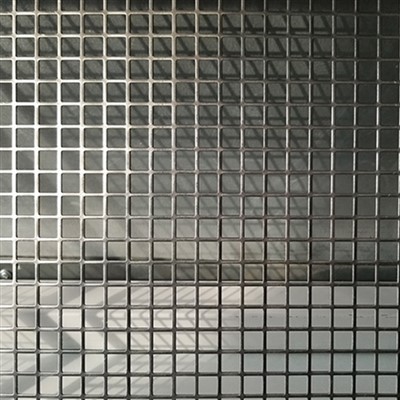
As a supplier of Standard Expanded Metal, I understand that proper transportation is crucial to ensure that our products reach our customers in perfect condition. Standard Expanded Metal is a versatile product used in a wide range of industries, including construction, manufacturing, and automotive. Its unique structure, characterized by a series of diamond-shaped openings, makes it both lightweight and strong. However, this also means that it requires special handling during transportation to prevent damage. Standard Expanded Metal
Pre – transportation Preparations
Before the transportation process begins, it is essential to conduct a thorough inspection of the Standard Expanded Metal. Check for any defects, such as broken strands or uneven surfaces. Damaged products should be set aside and repaired or replaced before shipping. This not only ensures customer satisfaction but also reduces the risk of disputes during transit.
Next, we need to measure and document the dimensions of each piece of Standard Expanded Metal. This information is vital for determining the appropriate packaging and shipping methods. Accurate measurements also help in calculating the shipping costs and ensuring that the products fit properly into the chosen transportation container.
Packaging
Proper packaging is the first line of defense in protecting Standard Expanded Metal during transportation. We typically use a combination of materials to ensure maximum protection.
Palletizing: First, we place the Standard Expanded Metal sheets on sturdy wooden pallets. Pallets provide a stable base for the products, making them easier to handle with forklifts and other lifting equipment. They also help in preventing the metal from coming into direct contact with the floor of the transportation vehicle, which could cause scratches or dents.
Wrapping: After palletizing, we wrap the Standard Expanded Metal with plastic shrink – wrap. This plastic layer acts as a barrier against moisture, dust, and minor impacts. It also holds the sheets together, preventing them from shifting during transit. For added protection, we may use bubble wrap or foam padding between the layers of the metal sheets, especially if the products are being shipped over long distances or through rough terrains.
Edge Protection: The edges of Standard Expanded Metal can be sharp and are also vulnerable to damage. We use edge protectors made of cardboard or plastic to cover the edges. This not only protects the metal from chipping but also reduces the risk of injury to the handlers during loading and unloading.
Choosing the Right Transportation Mode
The choice of transportation mode depends on several factors, including the quantity of the Standard Expanded Metal, the distance to the destination, and the urgency of the delivery.
Trucks: For local and regional deliveries, trucks are the most commonly used mode of transportation. They offer flexibility in terms of pick – up and delivery times and can easily access different locations. When shipping Standard Expanded Metal by truck, it is important to ensure that the truck is equipped with proper securement devices. Straps and chains are used to hold the pallets in place, preventing them from moving around during the journey.
Trains: For large – scale shipments over long distances, trains can be a cost – effective option. Trains have a large carrying capacity and are generally more fuel – efficient than trucks. However, the loading and unloading process may be more complex. Specialized equipment, such as cranes, may be required to transfer the pallets from the rail cars. It is also important to ensure that the train cars are properly ventilated to prevent moisture buildup, which could cause rusting of the Standard Expanded Metal.
Ships: If the destination is overseas, shipping the Standard Expanded Metal by sea is a viable option. Shipping containers are used to transport the products. These containers are designed to withstand the harsh conditions of the ocean, including strong winds, waves, and saltwater corrosion. Before loading the containers, we make sure that the pallets are properly secured inside to prevent movement. Additionally, we may use desiccants inside the containers to absorb any excess moisture.
Loading and Unloading
The loading and unloading processes are critical stages in the transportation of Standard Expanded Metal.
Loading: When loading the products onto the transportation vehicle, it is important to use the right equipment. Forklifts are commonly used for palletized loads. The operators should be trained to handle the load carefully to avoid dropping or damaging the Standard Expanded Metal. The pallets should be stacked in an orderly manner, with the heavier ones at the bottom to ensure stability.
Unloading: At the destination, the unloading process should be carried out with the same level of care. The handlers should follow the proper procedures to remove the pallets from the vehicle. Any damaged packaging should be inspected immediately to check for possible damage to the metal. If any damage is found, it should be documented and reported to us as the supplier.
Tracking and Monitoring
To ensure the safe and timely delivery of Standard Expanded Metal, we use tracking and monitoring systems. For truck shipments, GPS tracking devices are installed on the vehicles. This allows us to monitor the location of the shipment in real – time and provide our customers with accurate updates.
In the case of train and sea shipments, we rely on the shipping companies’ tracking services. These services provide information about the departure and arrival times, as well as the status of the shipment. Monitoring the environmental conditions inside the transportation containers is also important. Devices can be used to measure temperature, humidity, and shock levels during transit. If any abnormal conditions are detected, appropriate actions can be taken to prevent damage to the Standard Expanded Metal.
Conclusion
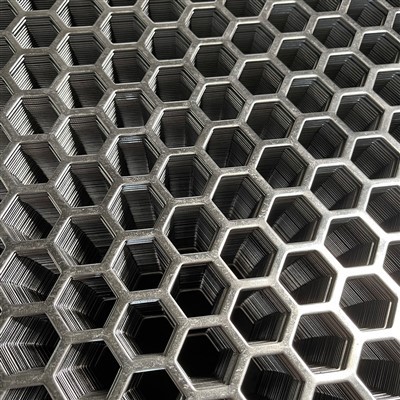
Transporting Standard Expanded Metal requires careful planning and attention to detail. From pre – transportation preparations to loading, ongoing monitoring, and unloading, every step plays a crucial role in ensuring that our products reach our customers in excellent condition.
Standard Expanded Metal If you are in need of high – quality Standard Expanded Metal for your project, we are here to serve you. Our team is committed to providing you with the best products and reliable transportation services. We invite you to contact us to discuss your requirements and start a procurement conversation. We are confident that we can meet your needs and exceed your expectations.
References
- Handbook of Metal Fabrication and Transportation
- Industry standards on the packaging and transportation of expanded metal products.
Anping Yilida Metal Wire Mesh Co., Ltd.
Anping Yilida Metal Wire Mesh Co., Ltd. is one of the most reliable standard expanded metal manufacturers and suppliers in China, also supports customized service. Please feel free to buy bulk high quality standard expanded metal made in China here from our factory.
Address: Wire Mesh Development Zone, Anping, Hebei Province, China
E-mail: sales@wiremesh-yg.cn
WebSite: https://www.yilidametal.com/
