Hey there! I’m a supplier of sludge scrapers, and today I wanna chat about the differences between domestic and imported sludge scrapers. As someone who’s been in this industry for quite a while, I’ve seen firsthand how these two types stack up against each other. Sludge Scraper

Design and Build Quality
Let’s start with the design and build quality. Domestic sludge scrapers are often designed with a focus on local needs and conditions. Engineers take into account things like the typical size of water treatment plants in their home country, the types of sludge that are commonly encountered, and the available infrastructure. For example, in some regions where space is limited, domestic manufacturers might design more compact sludge scrapers that can fit into smaller treatment facilities.
On the other hand, imported sludge scrapers usually come from companies with a global customer base. They’re designed to be more versatile and adaptable to different environments around the world. These machines often feature advanced engineering concepts and high – tech materials. The build quality of imported scrapers is generally top – notch, with precise machining and reliable components. They’re built to last, even in harsh industrial environments. But here’s the thing, this high – end build quality also comes with a higher price tag.
Technology and Innovation
When it comes to technology and innovation, imported sludge scrapers tend to have an edge. Many international manufacturers invest heavily in research and development. They’re constantly coming up with new features and improvements to make their machines more efficient and effective. For instance, some imported scrapers use state – of – the – art sensors and control systems to optimize the sludge removal process. These sensors can detect the thickness of the sludge layer and adjust the scraping speed and pressure accordingly, which helps to save energy and improve the overall performance of the water treatment plant.
Domestic manufacturers are catching up, though. They’re starting to invest more in R & D as well, and some are even collaborating with research institutions to develop new technologies. In some cases, domestic companies have come up with innovative solutions that are better suited to local conditions. For example, they might develop cost – effective chemical – free sludge treatment methods that are ideal for small – and medium – sized water treatment plants.
Cost and Pricing
Cost is a major factor when it comes to choosing between domestic and imported sludge scrapers. Imported sludge scrapers are generally more expensive. You’re not only paying for the high – end build quality and advanced technology, but also for shipping, import duties, and any additional services provided by the importer. These costs can add up quickly, making imported scrapers a less attractive option for some customers, especially those on a tight budget.
Domestic sludge scrapers, on the other hand, are usually more affordable. The local manufacturers don’t have to deal with the same import – related costs, and they can often offer more competitive pricing. Plus, they might be able to provide more flexible payment terms and after – sales services. For example, a domestic supplier could offer on – site maintenance and repair services at a lower cost compared to an imported product, where you might have to wait for technicians to fly in from overseas.
After – Sales Service
After – sales service is crucial when you’re buying a sludge scraper. With imported scrapers, getting after – sales support can sometimes be a hassle. Since the manufacturer is usually located overseas, it can take a long time to get replacement parts and technical support. There might also be language barriers and different time zones to deal with. This can be a real problem if your sludge scraper breaks down and you need an immediate fix.
Domestic suppliers, on the other hand, are often more accessible. They have local service teams that can respond quickly to your needs. You can easily get in touch with them for routine maintenance, repairs, or to ask for technical advice. And since they’re familiar with the local market and conditions, they can provide more customized solutions. For example, they might be able to recommend the best operating procedures based on the specific characteristics of your water treatment plant.
Quality Control and Standards
Imported sludge scrapers often have to meet strict international quality control standards. Many manufacturers follow well – established industry norms such as ISO 9001 or other relevant certifications. This means that you can generally expect a high level of quality and reliability from imported products. However, it also means that the production process might be more rigid, and there could be less room for customization.
Domestic manufacturers also have quality control measures in place, but the standards might vary. Some domestic companies are very strict about quality and have their own in – house quality management systems. Others might follow local standards, which could be different from international ones. The advantage here is that domestic manufacturers can often be more flexible in terms of customization. They can work with you to design a sludge scraper that meets your specific requirements, even if it means deviating a bit from the standard design.
Availability of Spare Parts
Spare parts availability is another important consideration. For imported sludge scrapers, getting spare parts can be difficult and expensive. Since the parts are usually sourced from overseas, there can be long lead times, and shipping costs can be high. In some cases, you might even have to wait for weeks or months to get a replacement part, which can disrupt your water treatment operations.
Domestic suppliers, on the other hand, can usually provide spare parts more quickly and at a lower cost. They have local warehouses and distribution networks, which means that you can get the parts you need in a shorter time frame. This is especially important for minimizing downtime in your water treatment plant.
Compatibility with Local Conditions
Domestic sludge scrapers are often better adapted to local conditions. They’re designed with an understanding of the local climate, water quality, and sludge characteristics. For example, in areas with cold climates, domestic manufacturers might design sludge scrapers with insulation or heating systems to prevent the sludge from freezing. They can also take into account the specific regulations and requirements of the local environmental protection agencies.
Imported scrapers, while being versatile, might not always be the best fit for local conditions. You might have to make some modifications or adjustments to get them to work optimally. This can add to the overall cost and complexity of using an imported sludge scraper.
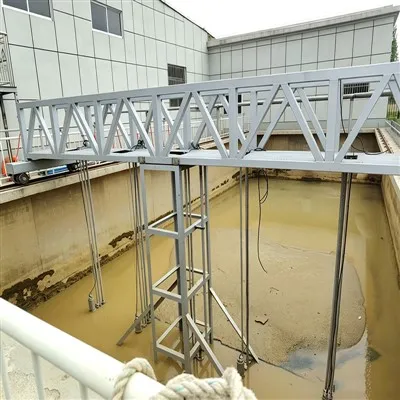
In conclusion, both domestic and imported sludge scrapers have their pros and cons. If you’re looking for the latest technology, high – end build quality, and are willing to pay a premium, an imported sludge scraper might be the right choice for you. However, if you’re on a budget, need quick after – sales support, and want a machine that’s well – suited to local conditions, a domestic sludge scraper is likely a better option.
Side-entry Agitator If you’re in the market for a sludge scraper, whether it’s a domestic or imported one, I’d love to have a chat with you. I can help you weigh the options and find the best solution for your water treatment needs. Just drop me a line, and let’s start the conversation!
References
- Industry reports on water treatment equipment
- Interviews with water treatment plant operators
- Technical specifications of domestic and imported sludge scrapers
Shandong Ningye Machinery Equipment Co., Ltd.
Shandong Ningye Machinery Equipment Co., Ltd. is one of the most reliable sludge scraper manufacturers and suppliers in China. With abundant experience, we warmly welcome you to buy discount sludge scraper made in China here from our factory. Quality products and low price are available.
Address: Workshop No. 16, Dongcao Village Industrial Park, Guangda East Road, Songguantun Subdistrict, Economic and Technical Development Zone, Dezhou City, Shandong Province
E-mail: ningyejixie@163.com
WebSite: https://www.cn-ningye.com/
