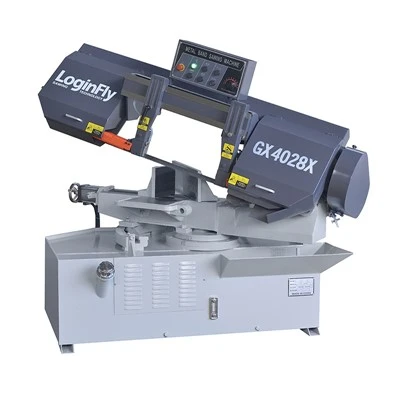
Yo, folks! I’m a supplier of band saw machines, and through all these years, I’ve seen my fair share of blade – tracking problems. It can be a real pain in the neck when your band saw blade starts acting up, veering off to one side or even coming off the wheels completely. But don’t worry, I’m here to walk you through how to troubleshoot these issues step by step. Band Saw Machine
Understanding Blade Tracking Basics
First things first, let’s talk about what blade tracking actually means. The blade on a band saw needs to run in the center of the wheels. If it doesn’t, you’ll have a whole bunch of problems, like uneven cuts, excessive blade wear, and in some cases, the blade might even break.
The main components that affect blade tracking are the wheels, the blade itself, and the tension. The wheels should be perfectly aligned, and their surfaces need to be smooth. The blade should be the right size and in good condition. And the tension? Well, that’s crucial too. If it’s too loose or too tight, it can mess up the tracking big time.
Step 1: Check the Blade
The blade is where we’ll start. Over time, blades can get worn out or damaged. If you notice that the blade has teeth that are missing, chipped, or if it’s unevenly worn on one side, that could be the cause of your tracking problems.
Take a good look at the blade. If it’s visibly damaged, it’s time for a replacement. Make sure you choose the right blade for your machine. Consider the width, the teeth per inch (TPI), and the type of material you usually cut. Using the wrong blade can lead to all sorts of issues, not just tracking problems.
Step 2: Inspect the Wheels
The wheels are another key part of the equation. First, check if they’re clean. Dirt, debris, or pitch from cutting wood can build up on the wheels, causing the blade to track unevenly. Use a clean cloth and some mild solvent to wipe the wheels clean.
Next, look at the wheel surfaces. They should be smooth and free of any dents or gouges. If you find any, you might need to have the wheels resurfaced or replaced. You can also check the alignment of the wheels. A simple way to do this is to place a straightedge across the outside edge of the wheels. They should be perfectly in line. If not, you’ll need to adjust them.
Step 3: Adjust the Blade Guides
The blade guides are there to keep the blade in place as it runs through the cut. If they’re not adjusted correctly, the blade can start to wander. Make sure the blade guides are snug against the blade but not so tight that they cause excessive friction. You want just enough pressure to keep the blade stable.
There are usually two types of blade guides: the top guide and the bottom guide. Adjust them so that they’re parallel to the blade and centered on it. You might need to use a small wrench or screwdriver to make these adjustments.
Step 4: Check the Blade Tension
Tension is super important for proper blade tracking. If the blade is too loose, it can flop around and track poorly. If it’s too tight, it can cause excessive stress on the blade and the wheels.
Most band saws have a tension adjuster. Use it to increase or decrease the tension on the blade. You can use a tension gauge to measure the tension accurately. A good rule of thumb is to have a tension of around 15,000 to 20,000 psi for most blades. But make sure to check the manufacturer’s recommendations for your specific blade.
Step 5: Make Minor Tracking Adjustments
Once you’ve done all the checks and adjustments above, you might still need to make some minor tracking adjustments. Most band saws have a tracking adjustment knob. This allows you to move the blade slightly left or right on the wheels.
Start by turning the tracking adjustment knob a little bit at a time. Watch the blade as you do this. It should start to move towards the center of the wheels. Keep making small adjustments until the blade is running smoothly in the center.
Step 6: Test the Machine
After you’ve made all the adjustments, it’s time to test the machine. Turn on the band saw and let it run for a few minutes. Watch the blade closely to make sure it’s tracking correctly. You can also make a few test cuts on a scrap piece of material. If the cuts are smooth and even, and the blade stays in place, then you’ve successfully troubleshooted the tracking problem.
When to Call in the Pros
Sometimes, despite your best efforts, you might not be able to fix the blade tracking problem on your own. If you’ve tried all the steps above and the problem still persists, it might be time to call in a professional. They have the tools and expertise to diagnose and fix more complex issues, like problems with the drive system or the frame of the machine.
Conclusion

Blade tracking problems on a band saw machine can be a real headache, but with a little bit of know – how and some patience, you can usually fix them on your own. Remember to start by checking the blade, then move on to the wheels, blade guides, and blade tension. Make small adjustments as needed and test the machine regularly.
Metal Cutting Band Saw If you’re in the market for a new band saw machine or need replacement parts, we’re here to help. We’ve got a wide range of high – quality band saws and accessories that can meet all your cutting needs. Whether you’re a professional woodworker or a DIY enthusiast, we’ve got the products and the knowledge to support you. Reach out to us if you want to discuss your requirements or have any questions about our band saw machines. We’re always happy to chat and help you find the perfect solution for your workshop.
References
- Woodworking magazines and books on band saw maintenance.
- Manufacturer’s manuals for band saw machines.
Shanghai Loginfly Sawing Technology Co., Ltd.
As one of the most professional band saw machine manufacturers and suppliers in China, our products have good reputation in the market. We warmly welcome you to wholesale premium band saw machine from our factory. If you have any enquiry about cooperation, please feel free to email us.
Address: Room 506 NO.655 Yinxiang Road,Nanxiangtown,Jiading District, Shanghai.China
E-mail: sales01@loginfly.com
WebSite: https://www.loginflysaws.com/
