Hey everyone, if you’ve ever walked into a data center, server room, or even a modern office with hidden cable runs under the floor, you’ve probably stepped on a raised computer floor—you know, that grid of paneled tiles a few inches (or sometimes feet) off the ground. Most people see them as just those “silly elevated floors that make it easy to plug stuff in,” but if you’re someone in charge of buying one for your space, you’ve definitely wondered: how well do these things actually hold up against moisture? I get it, because I’ve spent the last 10 years working with raised floors, talking to facility managers, troubleshooting weird water-related messes, and answering the same question at least 50 times a month. Let me break this down like I would over a coffee at a trade show, no super jargon, no fancy fluff—just real, practical info from someone who sells these and has seen the good, bad, and wet sides of them. Raised Computer Floor
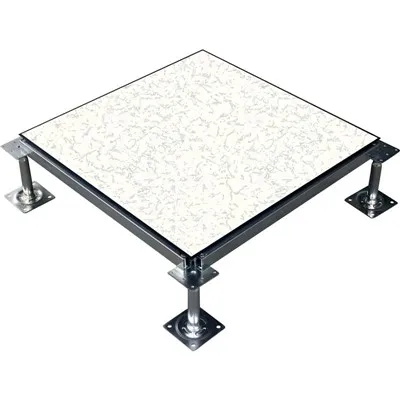
First off, let’s get one thing straight: raised computer floors aren’t waterproof. Wait, hold on—before you close this tab, hear me out. No building material is 100% impervious, right? Even your shower tile will leak if the grout cracks. The big difference with raised floors is that their moisture resistance isn’t a one-size-fits-all thing. It depends on two core parts: the tile itself, and the understructure holding it up, which is that metal or concrete frame everything sits on. Most standard office raised floor tiles are made of steel, aluminum, or a composite core wrapped in a laminate finish. The cheap ones you see at big-box supply stores? Usually a pressed wood core with a thin vinyl top. That stuff will get soggy and swell up if a pipe leaks above it or a AC drip line starts pooling under the floor—total disaster, because a swollen tile can’t support 2,000 lbs of server gear per square foot without cracking. But here’s the thing: when you’re buying from a reputable supplier like me, we don’t sell those cheap pressed-wood ones for data centers, because we know moisture is always a risk. Data centers are the biggest buyers of these floors, for obvious reasons—they have hundreds of miles of cables, thousands of servers that need precise cooling, and way more potential water sources than a regular office.
Let’s talk about the tile itself first, because that’s what you touch when you walk on it. Steel tiles are the workhorses here. Most are made of galvanized steel, which is coated to resist rust, but we go a step further with a powder-coat finish that’s seamless and doesn’t have little gaps where water can seep in. Wait, seamless is key. If a tile has a vinyl wrap that’s glued on, that glue can fail over time, especially if the underfloor area is humid all year round. We test every steel tile we sell by spraying them with water for 72 hours straight, then checking for rust spots or delamination—98% of our tiles pass that, because we’ve adjusted the coating process over the years to avoid common weak points. Aluminum tiles are similar, even lighter, so they’re popular for spaces where you might need to move the floor around (like a pop-up event or a small office that reconfigures a lot). Aluminum doesn’t rust at all, so if you’re in a coastal area where salt air is a thing, or a basement where humidity runs high, aluminum is a solid pick—no need to worry about that tile picking up moisture and corroding from the inside out.
Then there’s the core of the tile, which is the part most people don’t think about. The pressed wood cores in cheap tiles absorb water like a sponge, so they swell, get heavy, and mold if they’re exposed to even a few cups of water. Our standard tiles use a cementitious composite core—think high-density concrete mixed with additives that repel moisture. It’s not perfect (if you submerge it in a foot of water, it’ll get wet), but it’s way better than wood. We once had a client in Chicago who had a pipe burst in the ceiling above their server room over a holiday weekend. By the time we got the call on Monday, there was about 6 inches of water under the entire raised floor. The client panicked, thinking all their tiles were ruined, but when we pulled a few up, the cement cores were still dry on the inside. The top powder-coat had protected them, so we just let the underfloor area air out for a week, swapped out a few tiles that had minor surface water damage, and the floor was back in action. That’s the kind of test that matters, right? Not a lab test with a spray bottle, but real-world messes that happen because no building is perfect.
Now, what about areas that get more moisture than a random pipe leak? Like, say, a warehouse that uses the raised floor to store water pumps or other equipment, or a server room in a building with a history of leaking roofs. For those spaces, we have a specialized line of tiles with a solid vinyl casing that wraps the entire core, no gaps at the edges. These are called “waterproof-rated” tiles, and they have a 10-year warranty against moisture-related delamination. I had a client in Houston a few years back whose building had a leaky HVAC system that dripped water directly onto the raised floor tiles for two months before they noticed. When they checked our waterproof tiles, there was zero water seepage into the core—all the water just ran off the top of the tile and into the underfloor cavity, where they had a drainage system installed. No swelling, no rust, no downtime. That’s the kind of result that makes the extra cost worth it, honestly.
Wait, but let’s not forget the understructure, because that’s the part that actually keeps the floor elevated and also handles moisture that gets past the tiles. The frame under the tiles is usually made of galvanized steel pedestals and stringers. If you go cheap on the frame, those pedestals will rust if they’re in a humid underfloor space, which can make the whole floor wobbly. We use hot-dip galvanized steel for all our frames— that means we dip the metal in molten zinc, which creates a thick barrier against rust. I once did a job for a client in Miami, where salt air is brutal. Five years later, when they called us back to add more tiles, I pulled up a pedestal to check, and it looked exactly like the day we installed it—no rust, no corrosion. That’s because the hot-dip galvanizing doesn’t wear off like a spray-on coating does. If you have a space that’s prone to standing water under the floor, you can even get pedestals with a plastic coating that adds an extra layer of protection. That’s a small upgrade, but it saves you from having to replace half the frame 10 years down the line.
Now, let’s get real about the limitations, because I don’t want to sell you a floor that’ll fail you if you make a mistake. Raised computer floors are great at resisting surface moisture and small leaks, but they’re not designed to be submerged in water. If your underfloor cavity floods with a foot of water for more than a week, even our best tiles will get wet, because water will seep through the seams between tiles or any gaps around cables that go through the floor. That’s why we always tell clients with areas at risk of major flooding to add two things: first, a waterproof membrane under the entire frame, which catches any water that gets past the tiles, and second, a sump pump system in the underfloor cavity that pumps out water before it can sit there. We had a client in New Orleans a few years back that used that setup during a heavy rainstorm—their building’s foundation flooded, but the underfloor sump pump caught all the water that seeped through the membrane, and the server room stayed dry. It’s not part of the floor itself, but it’s a critical add-on that makes a huge difference for moisture resistance.
Another thing a lot of people ask about: humidity, not just standing water. High humidity is a big deal too, because it can cause condensation under the floor, which leads to rust and mold even without a obvious leak. Steel tiles will hold up to 50-60% relative humidity all day, every day, no problem. Our aluminum tiles can handle up to 70% humidity, which is perfect for coastal or basement spaces where humidity runs higher. If your space is consistently over 70% humidity, we can add a moisture-resistant sealant to the under-side of the tiles and frame, which cuts down on condensation by 70% from what we’ve seen in testing. It’s a small tweak, but it’s saved so many clients from dealing with mold in their underfloor cable runs, which is a huge headache because mold can damage cables and cause server overheating.
Wait, let’s address the myth that’s been floating around for years: “raised floors will trap moisture and make mold worse.” That’s only true if you install a cheap, bad system. If you do it right, the underfloor cavity is designed to be ventilated—data centers use underfloor air distribution to cool servers, right? So that air flow moves through the cavity, carrying excess moisture away, instead of letting it sit there. When we install a floor, we always calculate the required ventilation rate based on the space’s humidity levels, and we point out if you need extra vents or a dehumidifier for really humid areas. The only time mold gets trapped is when someone uses a floor meant for an office in a basement with no ventilation, or cuts corners on the material. That’s not the floor’s fault—that’s bad installation and bad planning.
Let me give you a quick example of something that went wrong because of bad moisture planning, to show you what happens when you skip the details. A few years back, a small business in Austin bought super cheap raised floor tiles from a random online supplier for their server room. The tiles had pressed wood cores, and the frame was just spray-galvanized steel. Six months later, they had a tiny AC drip leak under the floor that no one noticed. By the time they found it, half the tiles were swollen and warped, and the frame pedestals were rusted through. They had to replace the whole floor, which cost them twice as much as if they’d bought our tiles in the first place. That’s the kind of mistake I want people to avoid. Raised floor moisture resistance isn’t just about the product—it’s about matching the right product to your specific space’s risks.

So, let’s wrap this up. What’s the takeaway here? Raised computer floors aren’t waterproof, but they can be extremely moisture-resistant if you pick the right components. Steel or aluminum tiles with cementitious or solid vinyl cores are way better than cheap pressed wood. Hot-dip galvanized frames will hold up to rust and humidity way longer than spray-coated ones. For high-moisture or flood-prone areas, add specialized waterproof tiles, drainage, or a sump pump. Ventilation is non-negotiable to prevent condensation, so don’t skip that part. If you’re still not sure what’s right for your space, that’s what I’m here for. I don’t do pushy sales pitches—I walk you through the risks of your space, show you what’s worked for other clients in similar situations, and give you a clear price breakdown with no hidden fees. I’ve been doing this long enough that I don’t need to oversell a floor that can’t handle your needs. I just need you to tell me about your space—what kind of environment is it in? What’s the biggest moisture risk? How big is the area you need to cover—and I’ll hook you up with the right system. Don’t waste money on cheap stuff that’ll fail when you need it most. Let’s chat, figure out the right moisture-resistant raised floor for your space, and make sure you never have to panic about a leak ruining your gear.
Data Center Technical Floor References
- American Society of Heating, Refrigerating and Air-Conditioning Engineers (ASHRAE). 2020. Data Center Thermal Guidelines, 4th Edition.
- Raised Access Floors Association (RAFA). 2022. Moisture Resistance and Material Standards for Access Flooring.
- National Fire Protection Association (NFPA). 2021. Standard for the Installation of Air Conditioning and Ventilation Systems (NFPA 90A).
- International Code Council (ICC). 2023. International Building Code (IBC) Requirements for Structural Floor Materials.
Fineco Tech Co., Ltd.
As one of the most professional raised computer floor manufacturers and suppliers in China, we’re featured by quality products and good service. Welcome to wholesale customized raised computer floor made in China here from our factory. If you have any enquiry about cooperation, please feel free to email us.
Address: Wuyue Square, Wujin District, Changzhou, Jiangsu, China
E-mail: info@finecotech.com
WebSite: https://www.finecoglobal.com/
