Hey everyone, let’s cut to the chase—if you’ve ever stared at a shelf of bottled water at the grocery store, squinted at the fine print on the label, and wondered “wait, is this actually natural mineral water or just overpriced tap in a plastic bottle?” you’re not alone. As someone who’s been part of a small-batch natural mineral water supplier for years (no, not the giant corporate brands that just add a pinch of magnesium and call it a day), I get how confusing it is to track down real, unadulterated natural mineral water these days. Let me break this down for you, no jargon, no B.S.—plus, if you’re a café, restaurant, or even a bulk buyer for an office or community group, I’ll leave a clear, no-pressure note at the end about reaching out. Natural Mineral Water
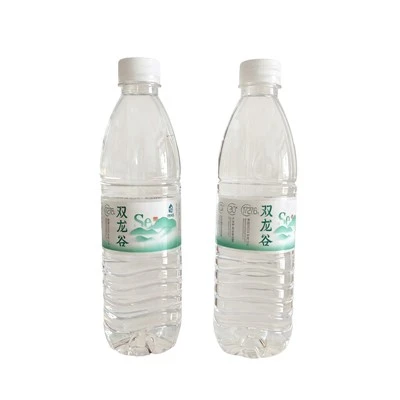
First, let’s make sure we’re on the same page about what natural mineral water actually is, because that’s the biggest mix-up out there. The FDA and global food safety bodies (like the Codex Alimentarius) have strict rules: it has to come from an underground aquifer, right? It’s naturally filtered through rock layers for years, so it picks up essential minerals like calcium, magnesium, and potassium—no chemicals added, no tap water sourced from municipal supplies. A lot of brands slap “spring water” or “artesian water” on labels, but those terms don’t have the same strict rules. Spring water might just be surface water, and artesian can sometimes be just well water drilled into unconfined aquifers. Real natural mineral water is like a tiny, underground time capsule—its mineral profile is consistent, no matter how many bottles you pull, because it’s been stabilized by the rock for millennia. That’s the good stuff, and that’s what we source.
So where do you actually find this? Let’s start with the everyday spots most people hit up, then move to niche spots for bulk buyers, because that’s where most of the demand is right now.
First, local health food stores and co-ops. I know, it sounds obvious, but hear me out—these places don’t just stock random stuff to make a buck. The buyers for these shops care about sourcing, so they’ll vet brands way more than the big chain supermarkets that have entire teams of marketing folks. When we first launched, we started with three small local co-ops and a couple of independent health food stores, because their regulars were already asking for something better than the $0.99 plastic bottles. If you walk in and ask the staff, “Do you carry natural mineral water that’s from a verified underground aquifer, no added ingredients?” they’ll either point you right to the good stuff or tell you if they don’t—most of them are happy to help you find it, because that’s their customer base. A quick tip: if the shelf tag doesn’t have a tiny blurb about the aquifer source, mineral content, or purification method, it’s probably not real mineral water. We make sure our bottles have that tiny print on the back, not just a fancy logo that says “pure.”
Next, independent cafes and specialty coffee shops. This is a big one lately, because baristas and café owners know that the water they use for espresso, lattes, and even cold brew makes a huge difference in taste. I’ve chatted with so many café owners who used to use filtered tap water, but switched when customers kept asking why their coffee tasted “off” compared to other spots. Natural mineral water has consistent mineral levels that actually enhance espresso—something about the magnesium and bicarbonates balancing the acidity of coffee. A lot of independent cafes will display their water source on their menu, or ask if you ask. If you see a café that lists “natural mineral water” as part of their drink base, that’s a good sign they’re using the real thing. We’ve partnered with a bunch of cafes within a 50-mile radius, and word of mouth has spread fast—people come in just to ask where the water’s from.
Then there’s big-chain natural food markets, like Whole Foods or Sprouts. Wait, don’t roll your eyes—they’ve gotten way better about sourcing non-toxic, real products in the last few years. That said, you might have to dig a little. The mainstream bottled water section is still full of the big brands, but if you head to the “specialty” or “international” aisle, or the section near the organic juices, you’ll usually find smaller, regional natural mineral water brands. We started landing in a handful of regional Sprouts locations last year, and it’s been great because people who might not shop at tiny co-ops can find us easily. One thing to note: check for the “source” on the label. If it just says “purified water” or “reverse osmosis,” that’s not it. Real mineral water will always name the specific aquifer, like “Northwood Aquifer, Vermont” or something like that. It’s a small detail, but it’s non-negotiable.
Now, if you’re buying in bulk—like for an office, a school, a community center, or a restaurant that goes through hundreds of cases a week—you have a couple more options. First, look for local water distributors that specialize in natural products. A lot of big beverage distributors carry every single bottled water brand under the sun, but there are smaller, local distributors that focus on regional, natural mineral water brands. They’ll deliver pallets straight to your door, and they can usually adjust orders based on how much you need. We work with two local distributors that cover 12 states, and they handle all the logistics, so café and restaurant owners don’t have to worry about picking up cases or dealing with minimum order limits (within reason, of course—we don’t do 1-case orders, but most businesses need way more than that).
Another bulk option: farmers markets. Wait, I know what you’re thinking—why would you find water at a farmers market? It’s not produce, right? But a lot of small, natural mineral water suppliers set up booths at regional farmers markets, especially on weekends. We started doing this in the spring, just to connect with customers face-to-face, and it’s been a game-changer. You can actually talk to the people who source the water, ask them about the aquifer, the purification process (hint: we don’t purify it at all—we just filter out any sediment, nothing else), and even taste a sample. If you go to a big regional farmers market, look for booths that have eco-friendly signs, no plastic single-use cups, and staff that can tell you exactly where the water comes from. Most of these suppliers will also do bulk orders for businesses, so it’s a great way to support a local brand and get good water at the same time.
Wait, but let’s talk about the red flags you should watch out for, because there are a lot of fakes out there. I’ve seen brands that label their water “natural mineral water” but then list “magnesium chloride” and “potassium bicarbonate” in the ingredients—those are added, which is against the rules. Real natural mineral water only has naturally occurring minerals, no additives. Another red flag: the source is vague, like “mountain water” or “spring water” with no specific location. If they won’t tell you exactly where the water comes from, that’s a sign it’s not real. And of course, the price—if a bottle of “natural mineral water” is the same price as regular tap water in a plastic bottle, run away. It takes a lot of work to drill into a confined aquifer, test the water constantly to make sure the mineral levels are consistent, and package it in eco-friendly bottles, so it’s going to be a little more expensive than the big brands. Worth it, though—your body will thank you, and it tastes way better.
Now, if you’re someone who buys for a business, school, or organization and you’re tired of the same old water that tastes like plastic, or you’re looking to switch to a more sustainable, natural option, let’s chat. We’re a small supplier, so we focus on personal, reliable service—no 1-800 numbers that put you on hold for an hour, no generic sales pitches. We work with businesses of all sizes, from tiny cafes that need 10 cases a month to office buildings that need 500 cases a week. We can customize orders, adjust delivery schedules, and answer every single question you have about the water, the aquifer, or our sustainability practices (we use 100% recyclable bottles, by the way, and we offset 100% of our delivery carbon emissions). We also do free samples for businesses that want to test the water with their customers or staff. If you’re ready to stop guessing where your water comes from and start drinking something real, just reach out. No hoops to jump through, no fake forms—just a real person who can help you out.
Wait, one more quick tip for regular people who want to buy smaller quantities: a lot of brands sell their water directly through their websites, and we’re no exception. We ship cases to residential customers too, not just businesses. If you can’t find our water at a local store, just head to our site (I won’t link it here, just look for a brand that’s transparent about their aquifer) and order a case. It’s cheaper than going to the gas station, and you get it delivered straight to your door.

Let me wrap this up real quick, no fancy stuff. Natural mineral water isn’t hard to find if you know what to look for: check the source label, make sure there are no added ingredients, support local brands and small co-ops, and don’t be afraid to ask questions. If you’re a business owner or a bulk buyer who’s ready to make the switch, hit us up—we’re here to help, and we’ll work with you to find a solution that fits your needs. No pressure, no sales pitch—just good water.
References
Natural Selenium Containing Mineral Water U.S. Food and Drug Administration. (2022). Standards of Identity for Bottled Water. Federal Register.
Codex Alimentarius Commission. (2021). General Standard for Bottled Waters and Drinks for Bottling. Food and Agriculture Organization of the United Nations.
International Bottled Water Association. (2023). Natural Mineral Water: Key Facts for Consumers and Businesses. IBWA Technical Bulletin.
Anhui Kexun Environmental Engineering Technology Co., Ltd.
As one of the most professional natural mineral water manufacturers and suppliers in China, we’re featured by quality products and good service. Welcome to wholesale bulk natural mineral water in stock here and get pricelist from our factory. We also accept customized orders.
Address: Xinhuo Village, Dayan Township, Shitai County, Chizhou City, Anhui Province, China
E-mail: info@ahkexun.com
WebSite: https://www.xiqueshanwater.com/
