Let me start by setting the scene—this is a blog from a real-life first aid kit accessories supplier, not some generic AI output. When I started in this business five years ago, I quickly learned that most people think a first aid kit is just a box of bandages and antiseptic. But after talking to thousands of customers, from weekend campers to school nurses, construction site managers to parents of young kids, I can tell you: the accessories you choose make all the difference between a small scrape healing fast and a minor incident turning into something far worse. First Aid Kit Accessories
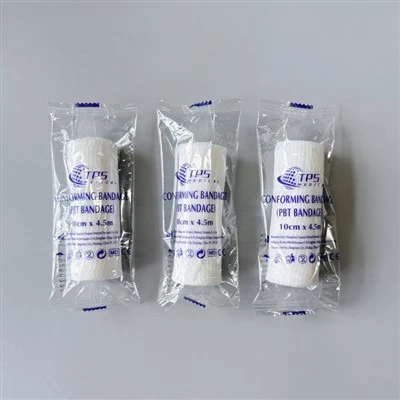
Last month, a construction foreman reached out to me panicking. He’d bought a pre-made kit for his team of 12, but after a near-miss with a nail gun, three workers had puncture wounds. The pre-made kit only had two pair of tweezers—we sent them a dozen single-use sterile probes, plus antiseptic wipes designed for puncture sites, and within a week, he was back ordering more because the kit was actually working for his crew. That’s the kind of problem I help solve every day. Choosing the right first aid kit accessories isn’t about grabbing whatever’s on sale—it’s about matching your kit to who will use it, where they’ll be, and what kinds of emergencies they’re likely to face.
Let’s break this down step by step, because there’s no one-size-fits-all answer. First, start with the purpose of your kit. Are you building a kit for your family car? A camping trip into the backcountry? An office with 50 employees? Each setting has unique needs, and that dictates every accessory you include.
If your kit is for a family vehicle, the focus needs to be on common road emergencies. Think about: first, wound care—road trips mean scrapes from fallen bike parts, blisters from walking around rest stops, maybe burns from a broken hot coffee cup. For that, you need more than just basic adhesive bandages. We stock flexible fabric bandages in assorted sizes, but also larger, sterile abdominal pads for bigger cuts from broken glass, and occlusive dressings for chest injuries if there’s a car accident. Antiseptic is another key area—alcohol wipes work for cleaning small cuts, but hydrogen peroxide-based foams are better for dirty wounds from gravel. Don’t forget burn care! A lot of people overlook burn dressings, but a minor scald or sunburn needs a sterile, non-stick pad that won’t stick to blisters. We also include burn gel packets in our vehicle kit recommendations, because they cool the skin and reduce pain immediately.
Then there are tools. For a car, you won’t need a full set of surgical tools, but you do need a few essentials. Trauma shears—blunt-tipped on one end, sharp on the other—are non-negotiable for cutting seatbelts or clothing to access a wound without making it worse. We sell high-quality trauma shears that stay sharp for years, because cheap ones bend after one use, which is dangerous. Tweezers are another must-have, not just for splinters, but for removing small debris from puncture wounds. We recommend single-use sterile tweezers for vehicle kits, so you don’t have to worry about cleaning them between uses. Also, a pair of nitrile gloves—latex allergies are super common, so nitrile is the safe bet for anyone using the kit.
Now, if you’re building a kit for backcountry camping, the game changes completely. You’re miles from a hospital, so you need accessories that address wilderness-specific injuries. First, waterproof everything. A regular adhesive bandage will fall off if it gets wet, so we stock waterproof fabric bandages and transparent film dressings that stick through rain, stream crossings, or sweat. Next, blister care—hikers get blisters constantly, and if you don’t treat them early, they can get infected. Moleskin patches are essential, but also antimicrobial blister pads that prevent infection and cushion the area. We also carry wound closure strips for larger cuts that might not need stitches, because waiting days to get to a doctor can turn a simple cut into a big problem.
Wilderness kits also need tools for more serious injuries. A thermometer to check for fever, which is a sign of infection in a remote setting. A tourniquet—this is a big one, and a lot of people still don’t realize how important it is. We stock compact, easily accessible tourniquets that are designed to be applied quickly to stop life-threatening bleeding from severe wounds. Before you think “I’ll never need that,” remember: in the wilderness, you might fall and get a deep cut on a rock, or a hiker might get bitten by an animal. A tourniquet can save a limb, and even a life, until you can get to medical help. Also, we recommend a triangular bandage for making slings, wrapping sprains, or even using as a tourniquet if you don’t have one handy. For wilderness use, skip the single-use gloves and go with a heavy-duty pack of nitrile gloves, since you might need them for multiple applications.
Then there’s the commercial space—construction sites, schools, offices, sports facilities. For these, the number one factor is scale and accessibility. A construction site with 50 workers needs a kit that can handle multiple injuries at once, so don’t skimp on supplies. We recommend bulk packs of adhesive bandages, gauze rolls, and antiseptic wipes, plus larger items like sterile dressings for deep cuts. Also, construction sites have a lot of exposure to chemicals, so we carry eyewash solutions in single-use pods for flushing out chemicals that get in the eyes. Sports facilities, on the other hand, deal a lot with sprains and strains, so extra elastic bandages (ACE wraps) are a must, along with ice packs for immediate injury care. For schools, especially, allergy considerations are key—make sure all accessories are latex-free, and we recommend including antihistamine packets in school kits, since allergic reactions are common among kids.
Now, beyond the purpose, there are some scientific factors to consider when choosing accessories, not just what seems convenient. Let’s talk about material safety first. For example, adhesive bandages: cheap ones often have a plastic backing that doesn’t breathe, which can lead to sweat buildup and infection. Our fabric bandages are breathable, latex-free, and have a strong adhesive that stays on even if you’re active. Antiseptic: alcohol-based antiseptics are effective, but they can sting and damage healthy tissue, so for sensitive areas like cuts on the face, we recommend chlorhexidine-based wipes, which are gentler and still kill bacteria. We also don’t carry any kits with hydrogen peroxide to clean wounds—studies show hydrogen peroxide actually damages tissue and slows healing, so we steer clear of that and recommend evidence-based products.
Another scientific point: shelf life. First aid accessories have expiration dates, and that’s not just a marketing ploy. Antiseptic solutions lose their potency over time, bandages can become contaminated if stored improperly, and medications like antihistamines or pain relievers stop working after their expiration date. When we advise customers on choosing accessories, we always emphasize picking products with the longest possible shelf life, and for bulk kits, setting a reminder to rotate supplies every 1-2 years. We also label all our accessories with clear expiration dates, so customers don’t have to guess.
Accessibility is another big factor that’s often overlooked. A great tourniquet is useless if it’s buried under a bunch of bandages in the bottom of the kit. We design our accessory kits to be organized by use—so tools like trauma shears, tweezers, and tourniquets are in a separate, easy-to-reach compartment, and wound care supplies are grouped together. That way, in an emergency, you don’t have to rummage around trying to find what you need. For people who might have to use the kit in a hurry, like untrained bystanders, clear organization is critical.
Also, consider the skill level of the people who will use the kit. If your kit is for a workplace where anyone might have to use it, including people with no first aid training, choose accessories that are intuitive. Single-use sterile probes for removing splinters or debris are easier to use than tweezers, because you don’t have to worry about sterilizing them. Occlusive dressings for chest injuries come with clear instructions on how to apply them, so someone who’s never done first aid can do it correctly. On the other hand, if you have a team with certified first aid responders, you can add more specialized accessories like surgical sutures (under proper guidance), or hemostatic dressings for severe bleeding, which are designed to stop bleeding faster than regular gauze.
I’ve seen too many people make the mistake of buying a pre-made kit without checking the accessories inside. Last year, a hiker came to me after a weekend trip where he had a bad cut, and his pre-made kit only had a single roll of gauze and no tape. He had to use duct tape from his backpack to secure the gauze, which was dirty and put him at risk of infection. That’s why I always recommend that customers, especially those with specific needs, build their own accessory set or choose a custom accessory pack tailored to their use case.
Let me share another example: a teacher from a small elementary school reached out to me. She said her school’s old kit had a bunch of bandages with cartoon characters, which the kids loved, but not enough large bandages for older students, and no antihistamines for kids with nut allergies. We put together a custom accessory set for her: latex-free bandages in all sizes, single-use antihistamine packets, burn gel for scrapes on the playground, and antibacterial wipes. A month later, she emailed me saying that when a student had a severe allergic reaction during a field trip, the antihistamine was there, and the bandages worked for all the cuts from falling on the dirt field. That’s the stuff that makes this job worth it.
Now, a few common mistakes to avoid when choosing accessories. First, don’t overbuy items you’ll never use. If you’re building a kit for your office, you don’t need 20 tourniquets—you only need a couple, because severe bleeding is rare in an office setting. Second, don’t cut corners on quality. Cheap trauma shears might seem like a good deal, but they won’t cut through thick fabric or seatbelts when you need them to. Third, don’t forget about aftercare accessories. First aid isn’t just about treating the injury—it’s about preventing infection. So don’t just buy bandages, buy antibiotic ointment packets, and instructions on how to change bandages regularly. We always include a small guide with our accessory packs that explains basic first care steps, which is helpful for people who don’t have training.
If you’re still not sure what accessories you need, here’s a quick checklist to get you started: 1) Define your setting and who will use the kit (family car, camping, workplace, school). 2) List the most common injuries in that setting (scrapes, blisters, burns, sprains, severe bleeding). 3) Choose accessories that match those injuries, prioritizing evidence-based products with long shelf lives. 4) Make sure tools are easy to access and use. 5) Consider any special needs, like allergies, latex-free requirements, or remote location needs.
At the end of the day, choosing the right first aid kit accessories is about being prepared without overcomplicating things. It’s about having the right tools when you need them, so a small incident doesn’t turn into something much worse. I’ve built my business on helping people navigate this—whether you’re a small business owner looking to stock your first kit, a parent building a car kit for your teen, or a park ranger putting together wilderness supplies, I can help you put together a set that works for you.

If you’re ready to get started, or you have questions about what accessories are right for your specific needs, feel free to reach out to discuss your requirements. We offer custom accessory packs, bulk orders, and expert advice to make sure your first aid kit is ready for any situation.
Tactical First Aid References:
- American Red Cross. First Aid for Severe Bleeding: Guidelines for Lay Responders. 2022.
- Wilderness Medical Society. Practice Guidelines for the Care of Wilderness Injuries. 2021.
- Centers for Disease Control and Prevention (CDC). First Aid Kit Recommendations for Community Settings. 2023.
- Journal of Emergency Medical Services. Evaluation of Wound Care Products for Wilderness Use. 2020.
- Occupational Safety and Health Administration (OSHA). First Aid Requirements for Workplaces. 2022.
Hangzhou Tuopusi Medical Products Co., Ltd.
As one of the most professional first aid kit accessories manufacturers and suppliers in China, we offer a wide range of products with superior quality. Please feel free to wholesale bulk customized first aid kit accessories at competitive price from our factory. Also, free sample is available.
Address:
E-mail: sales@tpsmedic.com
WebSite: https://www.medressing.com/
