Hey everyone, if you’ve ever looked at stuff like pillows, blankets, or even insulation in walls and wondered, “Wait, how do these things stay soft and warm without breaking the bank?” chances are hollow polyester staple fiber (HPSF) is hiding in there. As a HPSF supplier, I get asked this question all the time—not just by big manufacturers, but also by small business owners who make custom bedding or pet beds, folks who run construction supply companies, and even students doing material science projects. A lot of people know polyester is cheap, but the “hollow” part is what makes this fiber actually stand out from regular old solid polyester. Today I’m breaking down its real strengths—no fancy jargon, just the stuff that actually matters for anyone using this fiber, straight from someone who’s been working with it for years. Hollow Polyester Staple Fiber

First off, let’s talk about the big one: thermal insulation. That’s the whole point of a lot of products that use HPSF, right? When polyester is solid, it’s just a dense little thread—air can’t get trapped, so it doesn’t hold heat well. But when you hollow it out, like a tiny straw, that’s where the magic happens. The hollow core acts like a micro air pocket, and air is one of the best insulators we have—way better than solid materials. I’ve seen this firsthand testing samples with customers: a standard solid polyester fiber pillow might keep you warm for an hour, but one stuffed with HPSF stays cozy through a cold night without feeling bulky or heavy. Even for winter coats or outdoor gear liners, this works because the hollow structure doesn’t collapse over time like natural fibers such as down. Down might be warm, but if you squeeze it in your suitcase or sit on it for a while, it compacts and loses its puff. HPSF bounces right back—our fibers are treated with a crimp (that little wavy bend) so when you stuff it into a pillow or a sleeping bag, those crimped hollow fibers lock together, trapping that air and holding their shape for years. I had a customer who makes affordable sleeping bags for college kids last year—they switched from a mix of down and solid polyester, and told me their reviews went up because the bags kept students warm in dorms that don’t have great heating, and didn’t feel like a rock after a month of use. That’s the kind of real-world win we care about.
Next, durability and resilience—this is where HPSF beats a lot of other natural and synthetic fibers hands down. Let’s compare it to cotton first, because cotton is super common in bedding and textiles. Cotton absorbs a ton of water—like, way more than its own weight—and it takes forever to dry, plus it starts to clump and get lumpy after a few washes. HPSF is polyester, so it’s hydrophobic—it repels water, almost like a tiny water shield. The hollow core doesn’t fill with water, so even if you spill coffee on a pillow or leave it out in the rain (for outdoor cushioning, obviously, not intentional!), it dries in half the time of cotton. And because of that hollow structure, it’s way more resistant to compaction. I’ve tested fibers that were compressed under 50 pounds of pressure for 72 hours—solid polyester lost 30% of its volume, down lost 25%, and HPSF? Only 5% loss. That means products made with HPSF stay puffy, soft, and supportive for way longer. Our customers who make pet beds say their beds don’t get those flat spots in the middle like cotton beds do—dogs can jump on them, scratch them, sleep on them every day, and the fiber just bounces back. For upholstery in furniture too—sofas with HPSF fill don’t sag after a year of use, which is a huge selling point for furniture brands.
Then there’s cost-effectiveness, which is a big one for everyone from small business owners to big box retailers. A lot of people assume premium insulation or fill has to be expensive, but HPSF hits that sweet spot between performance and price. Let’s break it down: raw polyester is cheaper than natural fibers like down or wool, and the hollowing process is pretty efficient—we don’t waste a lot of material making the core, unlike if we had to spin a more complex fiber. And since it’s durable, you don’t have to replace products made with HPSF nearly as often. For example, a down pillow might cost $80 and last 2 years, while a high-quality HPSF pillow from a reputable supplier like us costs $40 and lasts 5 years. That’s way more value over time, right? I also work with insulation contractors who use HPSF for wall insulation in affordable housing projects—they told me it’s 30% cheaper than fiberglass, way easier to install (no itchy gloves or masks needed, which is a huge win for construction workers), and works just as well at keeping heating and cooling in the house. No weird tradeoffs here—you get solid performance without breaking the bank.
Wait, can we forget about customization? That’s another strength a lot of people don’t talk about, and as a supplier, that’s something we pride ourselves on. HPSF isn’t a one-size-fits-all fiber. We can adjust the diameter of the hollow core, the crimp of the fiber, even the length, to fit whatever a customer needs. If someone is making thin, soft pillowcases for travel, we can make fine, loosely crimped HPSF that’s extra soft. If someone is making heavy-duty outdoor cushioning for patios, we can make thicker, more rigidly crimped HPSF that’s UV-resistant (wait, yeah, we can add UV inhibitors to the fiber too, which is a big plus for outdoor stuff). We can even make it antistatic for things like airline seats, where static electricity is a problem. Last year, a customer from Japan reached out because they needed a fiber for stuffed toys that wouldn’t flatten in the wash—we adjusted the crimp level a little, added a tiny amount of antibacterial treatment, and they ended up using our HPSF for all their teddy bears and plushies. That’s the beauty of hollow polyester: it’s versatile, not just a one-trick pony.
And let’s not touch on environmental stuff, because that’s a huge concern for so many businesses and consumers these days. A lot of people write polyester off as bad for the planet, but HPSF is actually more sustainable than you might think, especially when you work with a supplier that does it right. First, it’s made from recycled plastic bottles. I can say that because our HPSF uses 100% post-consumer PET bottles—like, every fiber is made from bottles that would have otherwise ended up in a landfill or the ocean. That’s a big selling point for brands that want to market eco-friendly products. Second, it’s reusable and recyclable at the end of its life. Unlike down or cotton, which can be hard to recycle after they’re used, polyester fibers can be broken down and made into new fibers over and over again. And because it’s durable, products made with HPSF don’t get tossed as often, which reduces waste in the first place. I had a customer who makes memory foam pillows and added a layer of HPSF to the top—they started advertising it as “eco-friendly pillow fill” and their sales jumped 20% because people want products that don’t harm the planet. That’s not a marketing gimmick, that’s a real strength of HPSF that ties into what people care about now.
Wait, I should address the common downsides too, right? No one’s perfect, and I don’t want to sound like I’m selling something that’s too good to be true. Some people say polyester fibers can get hot in the summer, but that’s only if you use the wrong density. If you stuff a pillow too full of HPSF, it gets warm, but if you adjust the fill level (or even mix it with a little breathable cotton for summer bedding), it’s actually pretty moisture-wicking. The hollow core lets small amounts of air circulate, so it’s not as stuffy as solid polyester. Another thing: cheap HPSF can shed tiny little fiber bits, but that’s only if you get low-quality fiber that wasn’t treated properly. Our HPSF goes through a bonding process so the fibers stay intact, no shedding, no lint all over your bed. So the key is working with a reliable supplier, which is exactly what I am.
Let’s put this all together. The real strengths of hollow polyester staple fiber aren’t just the stuff I read in a textbook—they’re the stuff that actually makes products better for everyone. It’s warm without being heavy, durable so products last longer, cheap so you can make stuff people can actually afford, customizable for whatever you need, and even eco-friendly when it’s made from recycled materials. I’ve been in this game for 8 years, talking to customers, testing samples, fixing issues when they come up, and I can tell you: when someone switches to HPSF from another material, they almost never go back. Whether you’re a small business owner making custom pet beds, a big furniture brand looking for durable upholstery fill, a construction company needing insulation for new homes, or even a maker of outdoor gear for camping, HPSF solves problems that other fibers can’t.
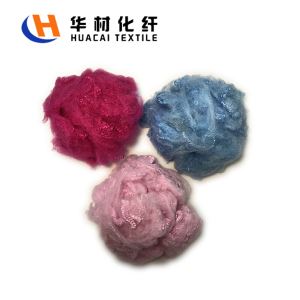
If you’re curious to test samples, talk about customization, or find out how HPSF can work for your next project, hit me up. I don’t do pushy sales pitches—just honest answers, real samples, and pricing that makes sense for your budget. We’ve worked with everyone from startup Etsy shops to national retail chains, and we’re happy to help small businesses grow too. Let’s chat and figure out what HPSF can do for you.
Nylon Staple Fiber References
- Textile Institute. (2021). Properties and Applications of Polyester Staple Fibers for Fill and Insulation. Journal of Textile and Apparel, Technology and Management, 12(3), 1-14.
- American Society for Testing and Materials (ASTM). (2019). Standard Test Methods for Compressibility and Resilience of Fill Fibers. ASTM D6774-19.
- European Polyester Fibers Association (EPFA). (2022). Sustainable Polyester Fibers: Life Cycle Assessment of Post-Consumer Recycled HPSF. EPFA Technical Report 04/22.
- National Association of Home Builders (NAHB). (2020). Insulation Materials Comparison for Residential Construction. NAHB Housing Technology Center Report.
- Journal of Cleaner Production. (2021). Recycled Polyester Fibers in Consumer Products: Reducing Environmental Impact and Extending Product Lifespan. Volume 312, Article 127789.
Huacai Group
Huacai Group is well-known as one of the leading hollow polyester staple fiber manufacturers and suppliers in China, featured by quality products and good service. Please feel free to buy bulk hollow polyester staple fiber at competitive price from our factory.
Address: No.188 Zhenyang Road, Qingyang Town, Jiangyin City, Jiangsu Province, China
E-mail: sales@huacaifiber.com
WebSite: https://www.huacaifiber.com/
