If you’ve ever lost a tooth—whether to decay, gum disease, injury, or something as simple as a long-standing gap that started making it hard to chew your favorite sandwich—you’ve probably heard that dental implants are the gold standard for replacing it. But what most people don’t talk about is the quiet, methodical work that goes into turning a titanium screw embedded in your jawbone into a tooth that looks, feels, and works almost exactly like the real thing. That work is called dental implant prosthetics, and as a supplier who’s been in this space for over a decade, I’ve helped dozens of clinics refine their approach to it. Let me walk you through exactly what that procedure looks like, from the first consultation to the final crown that lets you smile without a second thought. Dental Implant Prosthetics
First, a quick reality check: implant prosthetics isn’t a one-size-fits-all service. I see that mistake all the time when clinics order parts without asking the right questions, and it leads to delays, extra costs, and even patient frustration. The whole process starts long before any parts leave our warehouse—it starts with the pre-prosthetic evaluation, a step that too often gets rushed. Before we even think about matching a crown to an implant, the treating dentist needs to confirm two non-negotiables: that the implant is actually osseointegrated (fused firmly to the jawbone) and that the gum tissue around it is healthy enough to support a prosthetic. For dentists, that means a 3D CBCT scan and a series of clinical checks—measuring the depth of the gum around the implant, checking for any signs of infection, and mapping how much bone is there to hold the final prosthetic. For our team, this evaluation is non-negotiable when we get an order. If a clinic skips this step, we’ll flag it before we ship anything, because parts made for a spot with too little bone won’t fit, and a crown designed for a healing implant will end up too loose or too tight.
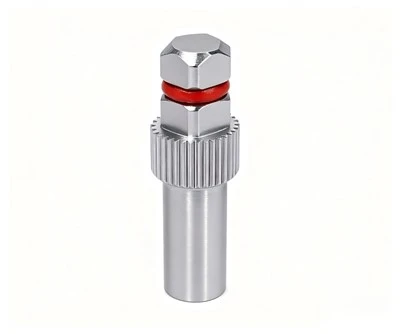
Once that evaluation clears, the next phase is the impression and temporary abutment placement. This is where the physical work of building the prosthetic starts, and it’s where accuracy matters more than anything. When the implant is fully fused, the dentist will attach a small, screw-like component called an abutment to the top of the titanium implant. The abutment acts as a connector between the implant and the final crown. But before the crown can be made, the team needs an exact copy of the patient’s mouth—so they’ll take an impression, either with traditional putty or a digital scanner, that captures the exact position of the implant, the shape of the surrounding teeth, and the way the jaw moves when the patient bites down. The temporary abutment goes in right after the impression is taken, and this is the part that patients actually notice: a small, slightly raised piece of metal that sits where the missing tooth was, holding a temporary crown that’s shaped to match the rest of their teeth. The temporary is more than just a placeholder, though—it lets the patient test how the area feels, check that it doesn’t get in the way when they talk or eat, and gives the dentist time to adjust the fit before the final crown is made. For our team, the impression is the most critical data point we get from clinics. If a scan is blurry or an impression has air bubbles, the crown we mill won’t sit right, and that means going back to the drawing board—something we work hard to avoid by providing clinics with free digital scanning consultations to help them get the clearest possible images.
Next comes the prosthetic fabrication, the part that happens behind the scenes at our facility and the dental lab. This is where the science of implant prosthetics meets artistry. First, we take the data from the clinic’s impression or scan and create a 3D model of the final prosthetic. This model has to account for three key things: the strength needed to withstand chewing (the average person puts 150-200 pounds of force on their back molars when they bite down), the color and shape that matches the patient’s natural teeth, and the angle of the bite so the new tooth doesn’t shift how the rest of the mouth aligns. Most of the crowns we make today are milled from solid zirconia or porcelain fused to metal—zirconia is our go-to for most cases because it’s super durable, biocompatible, and looks almost identical to natural tooth enamel. Once the crown is milled, it gets glazed, polished, and then tried on at our lab to check for fit, shape, and color. We also test the abutment to make sure it threads perfectly into the implant—no cross-threading, no gaps. I’ve seen clinics skip this in-lab testing before, and it’s resulted in parts that work when they leave us but don’t fit when they reach the patient. That’s why our team runs a full quality check on every single implant abutment and crown before it ships, including a bite analysis to ensure the final prosthetic sits at the exact height it needs to for a natural feel.
Then comes the final placement, the step that most patients wait months to get to. When the patient returns to the clinic, the dentist will remove the temporary abutment and crown, clean the top of the implant, and then attach the final abutment using a small torque wrench—this is important, because over-tightening can crack the implant, and under-tightening can make the prosthetic loose. Once the abutment is secure, the final crown is screwed or cemented onto it. Which method we use depends on the patient’s case: screw-retained crowns are easier to remove if there’s an issue later, which is why we recommend them for molars and back teeth, while cement-retained crowns give a more seamless, natural look for front teeth. After placement, the dentist will adjust the bite one last time—having the patient bite down on special paper that shows high spots, then smoothing the crown until it matches the patient’s natural chewing pattern. They’ll also check that the gum tissue around the prosthetic fits snugly, with no gaps that could trap food or bacteria. At this point, the patient gets their first real look at their new tooth, and for most, that’s when they realize the wait was worth it.
But the procedure doesn’t end with placement—follow-up care is a critical part of implant prosthetics that we emphasize to every clinic we work with. Implants don’t get cavities, but the gum tissue around them (called peri-implant tissue) is still vulnerable to inflammation and gum disease, which can loosen the implant over time. For patients, that means strict oral hygiene: brushing twice a day with a soft-bristled toothbrush, flossing around the implant with a special water flosser or threader, and getting regular cleanings every six months from their dentist. For our team, that means partnering with clinics to provide educational resources for patients, and standing behind the parts we supply if there’s a manufacturing defect. I tell every clinic I work with that we’re not just selling abutments and crowns—we’re part of their patient’s long-term oral health plan, and that means being there if they have a question about placement, fit, or follow-up care.
Now, let’s talk about the gaps I see in this process all the time—gaps that clinics and patients both can avoid. A lot of new clinics rush the pre-prosthetic evaluation because they want to get the patient in and out faster, but that’s a mistake. Last year, we worked with a small clinic that skipped a CBCT scan on a patient with a thin jawbone, and when we milled a crown, it turned out the abutment wouldn’t fit without causing bone damage. That cost the clinic three extra weeks of the patient’s time and thousands of dollars in rework, and it could have been avoided with a simple scan. Another common mistake is using a generic abutment instead of a custom one—generic abutments are cheaper, but they don’t account for a patient’s unique gum line or implant angle, leading to a crown that looks bulky or sits unevenly. That’s why our team offers custom abutment design as part of our standard supply service, no extra charge for clinics that send us the proper scan data.
As someone who’s been in this industry for 12 years, I’ve seen how much implant prosthetics can change a patient’s life. I’ve had patients tell me they stopped hiding their smile after getting a final crown, or that they could finally eat a steak without worrying about their tooth falling out. But that kind of result doesn’t happen by accident—it happens because every step of the procedure is done with care, from the initial scan to the final bite adjustment. For clinics, partnering with a supplier that understands this process isn’t just about getting a good price—it’s about getting parts that fit right, work right, and let them deliver the best possible care to their patients.

If you’re a dental clinic owner or prosthodontist looking to streamline your implant prosthetics process, cut down on rework, and provide your patients with high-quality, custom-fitted crowns and abutments, we’re here to help. Our team works with clinics of all sizes, from small private practices to large multi-location groups, and we provide full support every step of the way—from pre-order evaluation checks to post-placement troubleshooting. Whether you’re new to implant prosthetics and need guidance on the procedure, or you’re looking for a more reliable supplier to work with, we’d be happy to chat through your needs.
Dental Implant Prosthetics References
- Misch CE. Contemporary Implant Dentistry. 4th ed. Elsevier; 2020.
- Davis RD, et al. Implant Prosthetics: Current Principles and Clinical Applications. Journal of Prosthetic Dentistry. 2018;120(3):356-365.
- Chen ST, Buser D. Clinical Outcomes of Proper Immediate Implant Provisionalization for Single Tooth Replacements. Clinical Implant Dentistry and Related Research. 2019;21(2):223-231.
- World Health Organization. Global Oral Health Status Report. 2022.
- Goodacre CJ, et al. Factors Affecting the Long-Term Success of Dental Implant Crowns. Journal of Dental Research. 2021;100(13):1350-1357.
Dongguan Denreal Devices Co., Ltd.
As one of the most professional dental implant prosthetics manufacturers and suppliers in China, we’re featured by quality products and low price. Please rest assured to buy bulk customized dental implant prosthetics made in China here from our factory. For free sample, contact us now.
Address: NO.622, Baoshi Road, Qishi town, Dongguan, Guangdong, China
E-mail: Chason.Yeh@Gmail.com
WebSite: https://www.denreal.com/
