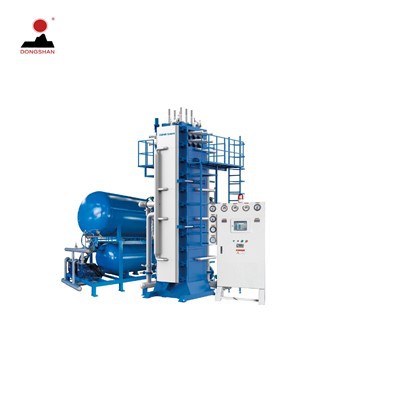
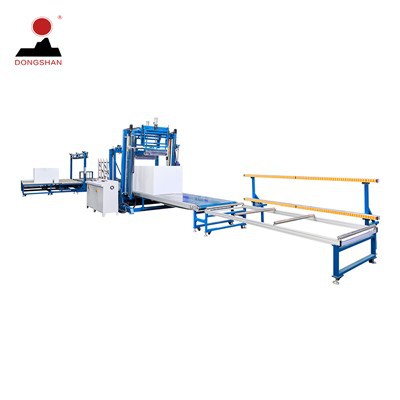
EPS (Expanded Polystyrene) cutting machines are essential tools in various industries, especially in the construction, packaging, and insulation sectors. One of the critical features of an EPS cutting machine is its cutting power adjustment. In this blog post, as a supplier of EPS cutting machines, I’ll delve into what cutting power adjustment is, its significance, and how it impacts the overall performance of the machine. EPS Cutting Machine
Understanding Cutting Power Adjustment
Cutting power adjustment refers to the ability to modify the intensity of the cutting force applied by an EPS cutting machine. This adjustment is crucial because different EPS materials have varying densities, thicknesses, and physical properties. For instance, a thin sheet of EPS foam may require less cutting power compared to a thick block of high – density EPS.
In an EPS cutting machine, the cutting power is typically generated by a heating element, such as a hot wire. The power supplied to this heating element can be regulated to control the temperature of the wire. A higher power setting will heat the wire to a higher temperature, resulting in a more intense cutting force. Conversely, a lower power setting will reduce the wire’s temperature and the cutting force.
The Mechanism of Cutting Power Adjustment
Most modern EPS cutting machines are equipped with a control panel that allows operators to adjust the cutting power. This control panel is connected to a power supply unit, which regulates the amount of electricity flowing to the heating element.
The adjustment can be either manual or automatic. In a manual system, the operator has to set the power level based on their experience and the requirements of the specific cutting task. They need to consider factors like the type of EPS material, the desired cutting speed, and the precision of the cut. For example, if a high – precision cut is required on a delicate EPS shape, the operator may choose a lower cutting power to prevent over – cutting or melting of the material.
On the other hand, an automatic cutting power adjustment system uses sensors to detect the properties of the EPS material. These sensors can measure parameters such as the density and thickness of the material. Based on the data collected, the system automatically adjusts the cutting power to ensure an optimal cutting process. This not only improves the efficiency of the cutting operation but also reduces the risk of human error.
Significance of Cutting Power Adjustment
1. Material Compatibility
EPS comes in a wide range of densities and qualities. A one – size – fits – all cutting power setting will not work for all types of EPS materials. By having the ability to adjust the cutting power, the EPS cutting machine can handle different materials effectively. For low – density EPS, a lower cutting power is sufficient to make clean cuts without damaging the material. In contrast, high – density EPS requires more power to cut through the dense structure.
2. Precision Cutting
Precision is of utmost importance in many applications, such as in the production of architectural models or custom – made packaging. By adjusting the cutting power, operators can achieve more precise cuts. A lower power setting can be used to make fine and detailed cuts, while a higher power setting can be employed for rough cuts or when cutting through thicker materials quickly.
3. Energy Efficiency
Adjusting the cutting power according to the actual requirements of the cutting task can significantly improve energy efficiency. Using excessive power when cutting thin or low – density EPS materials is a waste of energy. By reducing the power to the appropriate level, the EPS cutting machine consumes less electricity, which in turn reduces operating costs and environmental impact.
4. Machine Longevity
Constantly using the cutting machine at a high power setting can cause excessive wear and tear on the heating element and other components. By adjusting the power based on the task, the machine operates under more optimal conditions, extending its lifespan and reducing the frequency of maintenance and replacement.
Factors Affecting Cutting Power Adjustment
1. Material Density
As mentioned earlier, material density is a primary factor in determining the appropriate cutting power. Denser EPS materials require more energy to cut through, so a higher cutting power is needed. For example, EPS used in insulation applications often has a higher density compared to the EPS used in packaging, and thus demands a higher cutting power.
2. Material Thickness
Thicker EPS materials also require more cutting power. The heat from the cutting element needs to penetrate through a greater volume of material. A thin sheet of EPS can be cut with relatively low power, while a thick block may need a significant increase in power to achieve a clean and efficient cut.
3. Cutting Speed
The desired cutting speed is another factor that affects cutting power adjustment. If a fast cut is required, a higher cutting power may be necessary. However, increasing the cutting speed too much can lead to a decrease in cut quality, such as rough edges or uneven cuts. So, a balance needs to be struck between cutting speed and power.
4. Temperature and Humidity
The environmental conditions, particularly temperature and humidity, can also impact the cutting power adjustment. In a cold and dry environment, the EPS material may be stiffer, requiring more power to cut. Conversely, in a hot and humid environment, the material may be more pliable, and a lower power setting may be sufficient.
Practical Applications of Cutting Power Adjustment
1. Construction Industry
In the construction industry, EPS is widely used for insulation and decorative purposes. Cutting power adjustment allows for precise cutting of EPS panels to fit different construction requirements. For example, when installing insulation in walls, the EPS panels need to be cut accurately to ensure proper coverage and energy efficiency. By adjusting the cutting power, the machine can cut through different thicknesses and densities of EPS panels with ease.
2. Packaging Industry
The packaging industry often requires custom – cut EPS pieces to protect products during transportation. Different products have different shapes and sizes, and the EPS packaging needs to be cut accordingly. Cutting power adjustment enables the production of precise and high – quality custom – cut EPS packaging, ensuring that the products are well – protected.
3. Art and Design
Artists and designers use EPS to create various sculptures and models. The ability to adjust the cutting power is crucial for achieving fine details and smooth surfaces in these creative works. A lower power setting can be used for intricate cuts, while a higher power setting can be used for larger and more basic cuts.
Conclusion
In conclusion, the cutting power adjustment of an EPS cutting machine is a vital feature that offers numerous benefits. It allows for material compatibility, precision cutting, energy efficiency, and increased machine longevity. By understanding the factors that affect cutting power adjustment and its practical applications, operators can make the most of this feature to improve the quality and efficiency of their cutting operations.
EPS Cutting Machine If you are in the market for an EPS cutting machine with excellent cutting power adjustment capabilities, I encourage you to get in touch with us. Our team of experts is ready to discuss your specific requirements, provide detailed product information, and assist you in making the right choice for your business. Contact us today to start the procurement process and explore how our EPS cutting machines can enhance your operations.
References
- "Technology of EPS Manufacturing and Processing", Industry Handbook, 2020.
- "Advances in Cutting Techniques for Expanded Polystyrene", Journal of Manufacturing Science, 2019.
- "Practical Guide to EPS Cutting Machine Operation", Manufacturer’s Manual, 2018.
Hangzhou Fuyang Dongshan Plastic Machinery Co., Ltd.
Hangzhou Fuyang Dongshan Plastic Machinery Co., Ltd. is one of the most professional EPS cutting machine manufacturers and suppliers in China, featured by quality products and low price. Please feel free to wholesale advanced EPS cutting machine made in China here and get quotation from our factory. Customized orders are welcome.
Address: 101 Guanting, Baiqian Villige, Luzhu Town, Fuyang District, Hangzhou City, Zhejiang Province, China
E-mail: xu@dong-shan.cn
WebSite: https://www.epseppmachinery.com/
