Adjusting the height of a bike road integrated handlebar is a crucial aspect of bike customization that can significantly enhance your riding experience. As a supplier of Bike Road Integrated Handlebars, I’ve witnessed firsthand how the right handlebar height can transform a rider’s comfort, control, and performance. In this blog, I’ll share my insights on how to adjust the height of a bike road integrated handlebar, drawing from my experience in the industry. Bike Road Integrated Handlebar
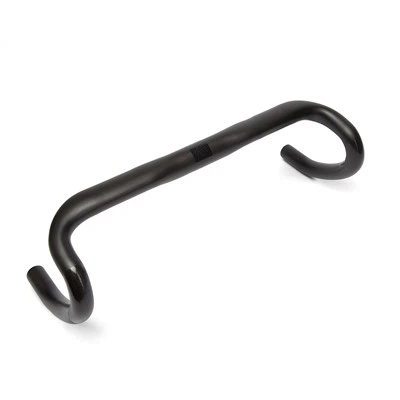
Understanding the Importance of Handlebar Height
The height of your bike’s handlebar plays a vital role in determining your riding position. A proper handlebar height can reduce strain on your neck, shoulders, and back, allowing you to ride longer and more comfortably. It also affects your control over the bike, as a well – adjusted handlebar enables better steering and maneuverability.
For road cycling, riders often prefer a lower handlebar height to achieve an aerodynamic position, which can increase speed and efficiency. However, this may not be suitable for all riders, especially those who prioritize comfort or have physical limitations. On the other hand, a higher handlebar height provides a more upright riding position, which is ideal for casual riders or those with back problems.
Tools You’ll Need
Before you start adjusting the height of your bike road integrated handlebar, gather the necessary tools. You’ll typically need an Allen wrench set, as most handlebar stems are secured with Allen bolts. A torque wrench is also recommended to ensure that you tighten the bolts to the correct specifications. This helps prevent over – tightening, which can damage the components, or under – tightening, which can lead to a loose handlebar.
Step – by – Step Guide to Adjusting Handlebar Height
- Loosen the Stem Bolts
- First, locate the stem bolts on your bike. The stem is the part that connects the handlebar to the fork steerer tube. Use your Allen wrench to loosen the bolts on the top and sides of the stem. Usually, there are two bolts on the top and two on the sides. Loosen them gradually, turning each bolt a few times at a time to ensure even loosening.
- Adjust the Height
- Once the stem bolts are loose, you can adjust the height of the handlebar. If you want to raise the handlebar, carefully lift it up to the desired height. Make sure the handlebar remains level and centered. If you’re lowering the handlebar, gently push it down. You may need to remove or add spacers under the stem to achieve the right height. Spacers are small rings that can be stacked to increase or decrease the distance between the stem and the fork steerer tube.
- Check the Position
- After adjusting the height, check the position of the handlebar. It should be parallel to the ground and centered over the front wheel. You can use a level to ensure accuracy. Also, make sure that the brake levers and shifters are within easy reach of your hands. You may need to rotate the handlebar slightly to achieve the best position for your hands.
- Tighten the Stem Bolts
- Once you’re satisfied with the height and position of the handlebar, it’s time to tighten the stem bolts. Use your torque wrench to tighten the bolts to the manufacturer’s recommended torque settings. Start with the top bolts and then move to the side bolts. Tighten them gradually, alternating between bolts to ensure even tightening.
- Test the Handlebar
- After tightening the bolts, give the handlebar a gentle shake to make sure it’s secure. Then, take your bike for a short test ride. Pay attention to how the new handlebar height feels. If you notice any discomfort or instability, stop and readjust the handlebar.
Factors to Consider When Adjusting Handlebar Height
- Riding Style
- Your riding style is a major factor in determining the ideal handlebar height. If you’re a competitive road cyclist, you may want a lower handlebar height for better aerodynamics. However, if you’re a recreational rider who enjoys long, leisurely rides, a higher handlebar height may be more comfortable.
- Body Geometry
- Your body geometry, including your height, arm length, and flexibility, also affects the handlebar height. Taller riders may need a higher handlebar to avoid excessive bending of the neck and back. Riders with shorter arms may find it more comfortable to have the handlebar closer to them.
- Bike Fit
- The overall fit of your bike is crucial. The handlebar height should be in harmony with the saddle height and the reach to the handlebar. A professional bike fit can help you determine the optimal handlebar height based on your body measurements and riding preferences.
Common Mistakes to Avoid
- Over – tightening the Bolts
- Over – tightening the stem bolts can cause damage to the handlebar, stem, or fork steerer tube. Always use a torque wrench and follow the manufacturer’s recommended torque settings.
- Ignoring the Spacers
- Spacers play an important role in adjusting the handlebar height. Make sure to use the correct number and size of spacers to achieve the desired height.
- Not Testing the Handlebar
- Failing to test the handlebar after adjustment can lead to safety issues. Always take your bike for a short test ride to ensure that the handlebar is secure and comfortable.
Conclusion
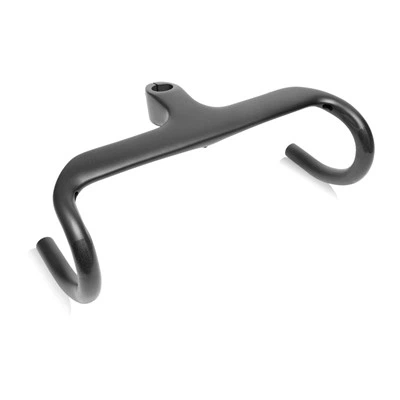
Adjusting the height of a bike road integrated handlebar is a relatively simple process that can have a significant impact on your riding experience. As a supplier of Bike Road Integrated Handlebars, I encourage you to take the time to find the right handlebar height for your needs. Whether you’re a professional cyclist or a casual rider, a well – adjusted handlebar can make your rides more enjoyable and comfortable.
Road Bike Handlebar If you’re interested in purchasing high – quality Bike Road Integrated Handlebars or have any questions about handlebar adjustment, feel free to contact us for a procurement discussion. We’re here to help you find the perfect handlebar for your bike and ensure that you get the most out of your cycling experience.
References
- "Bicycle Maintenance and Repair" by Park Tool Company
- "The Bicycle Wheel" by Jobst Brandt
- "Bike Fit: Optimize Your Position for Comfort and Performance" by Andy Pruitt
Hunan Yecheng Technology Co., Ltd.
We’re well-known as one of the leading bike road integrated handlebar manufacturers and suppliers in China, also support customized service. Please feel free to buy high quality bike road integrated handlebar for sale here from our factory. For more information, contact us now.
Address: Changsha, Hunan Province, China.
E-mail: info@rxlsl.com
WebSite: https://www.rxlsl.com/
